
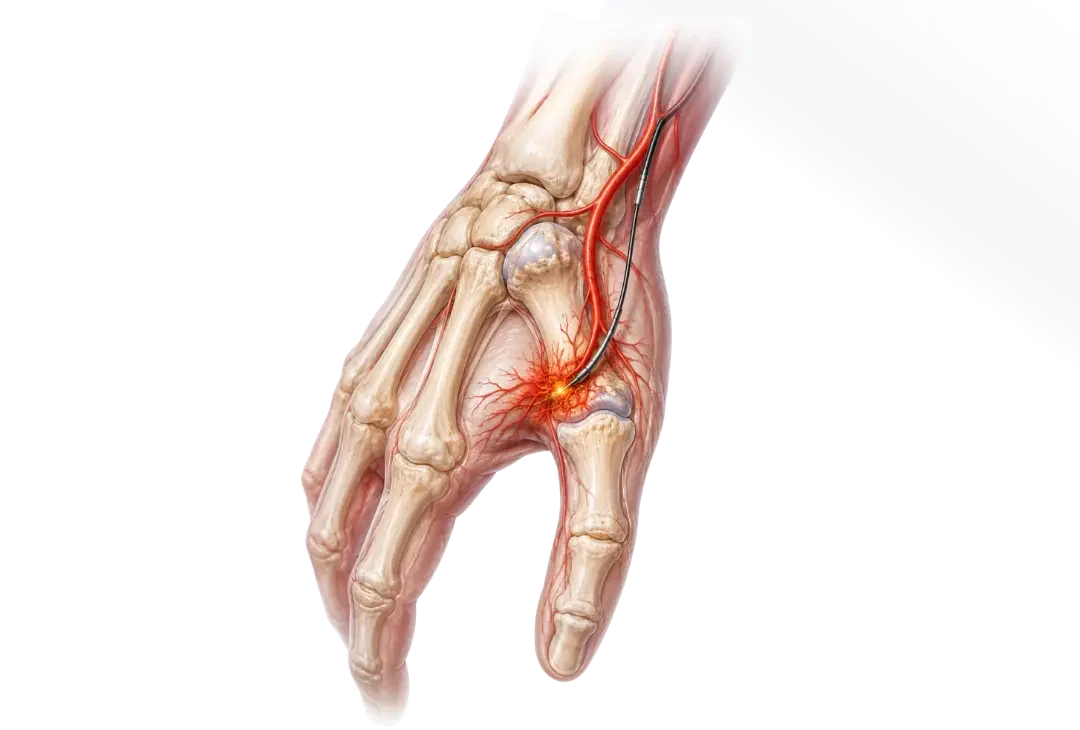
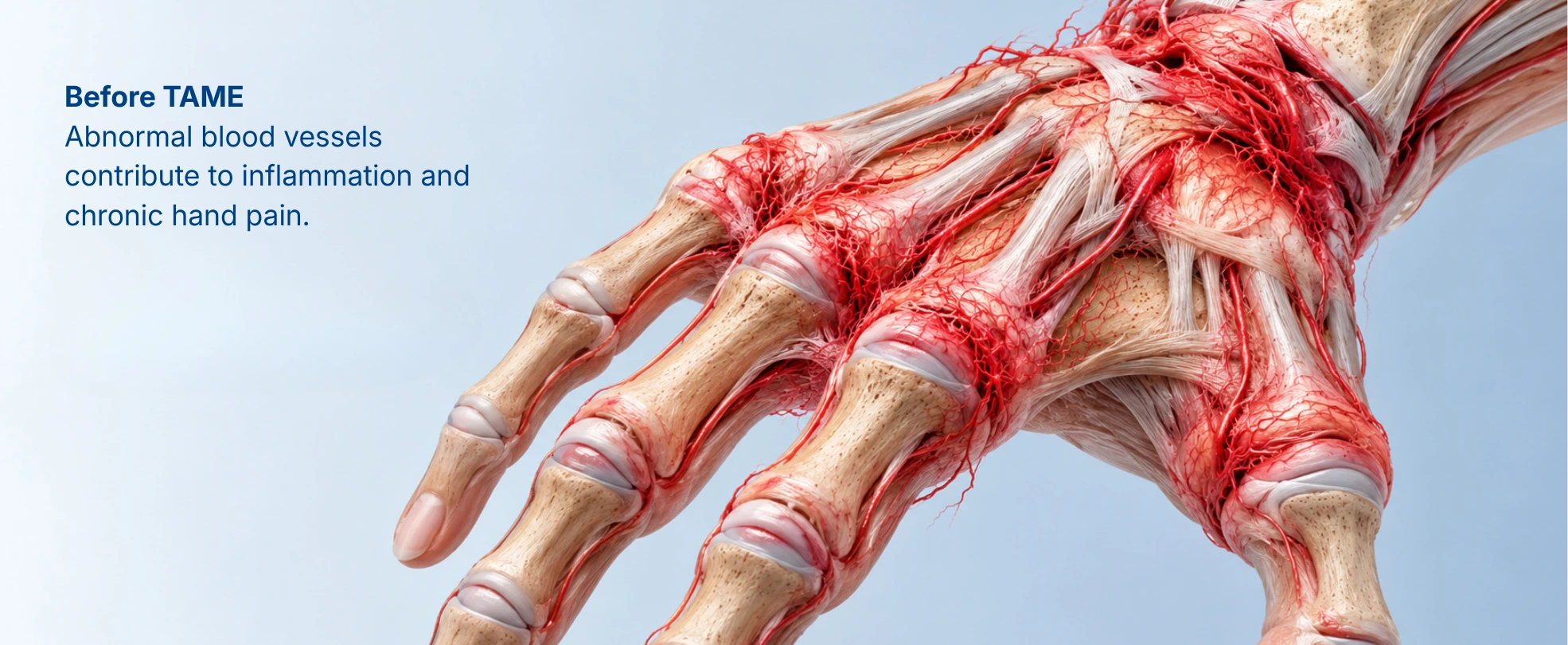
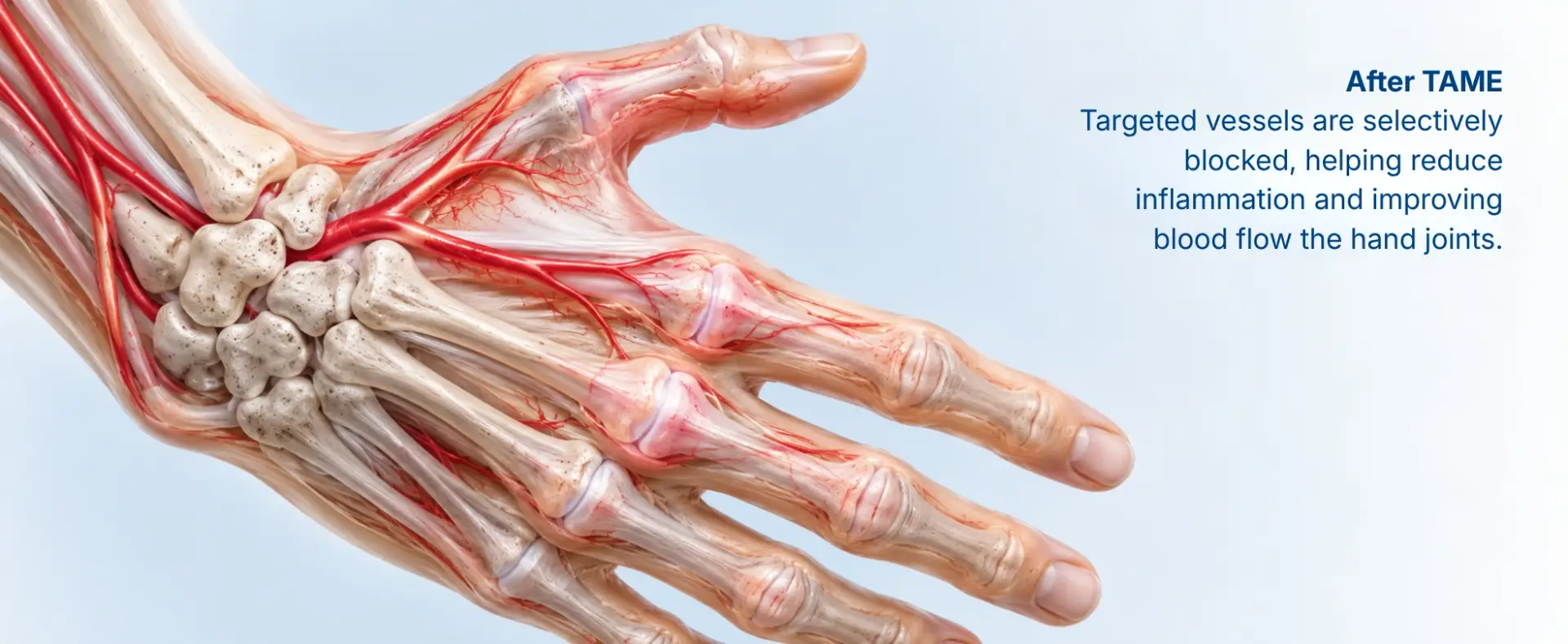
A minimally invasive, image-guided procedure that reduces abnormal blood flow associated with chronic hand inflammation, without open surgery.
01
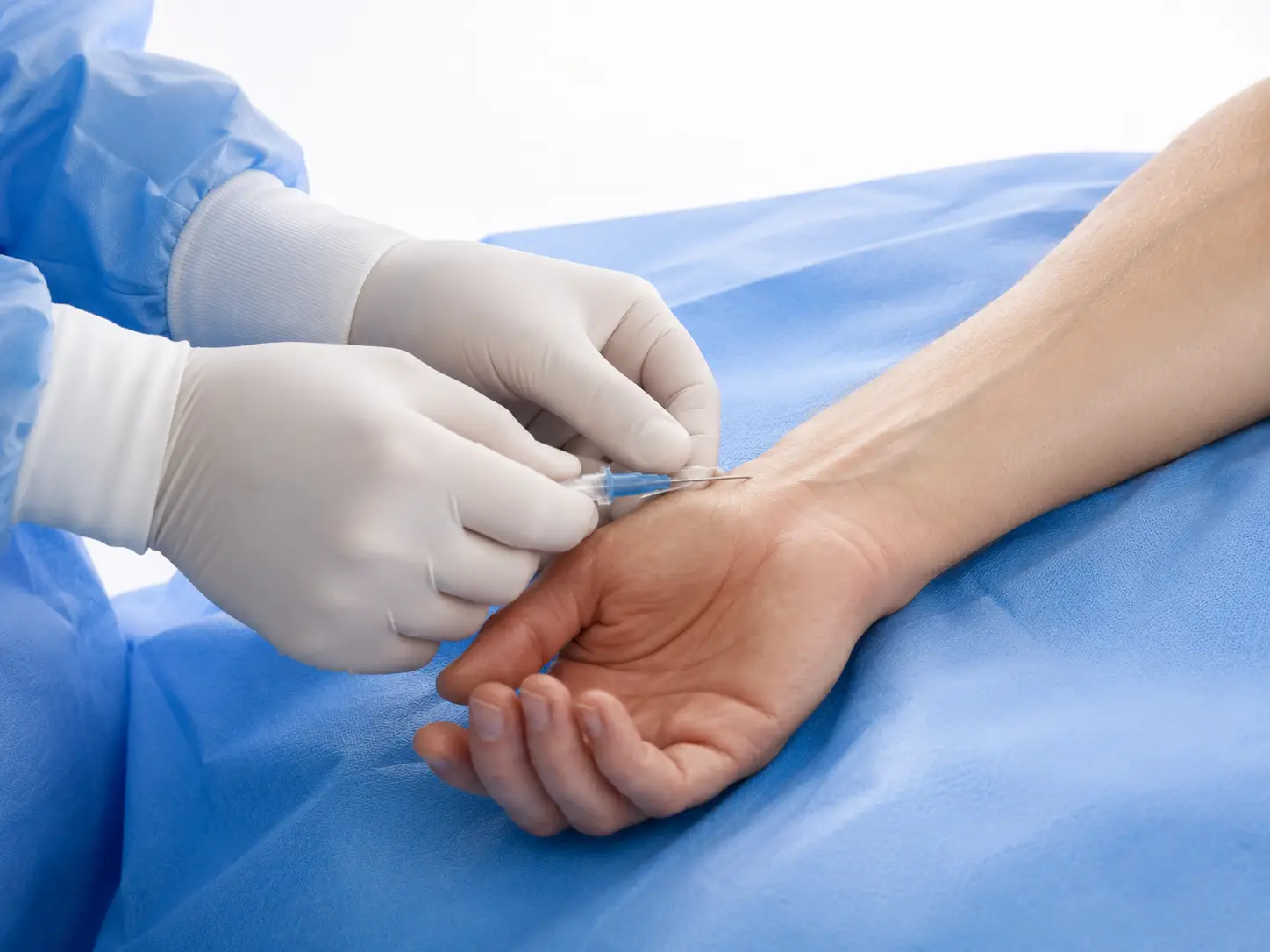
A small needle or catheter is placed into an artery supplying the hand.
02
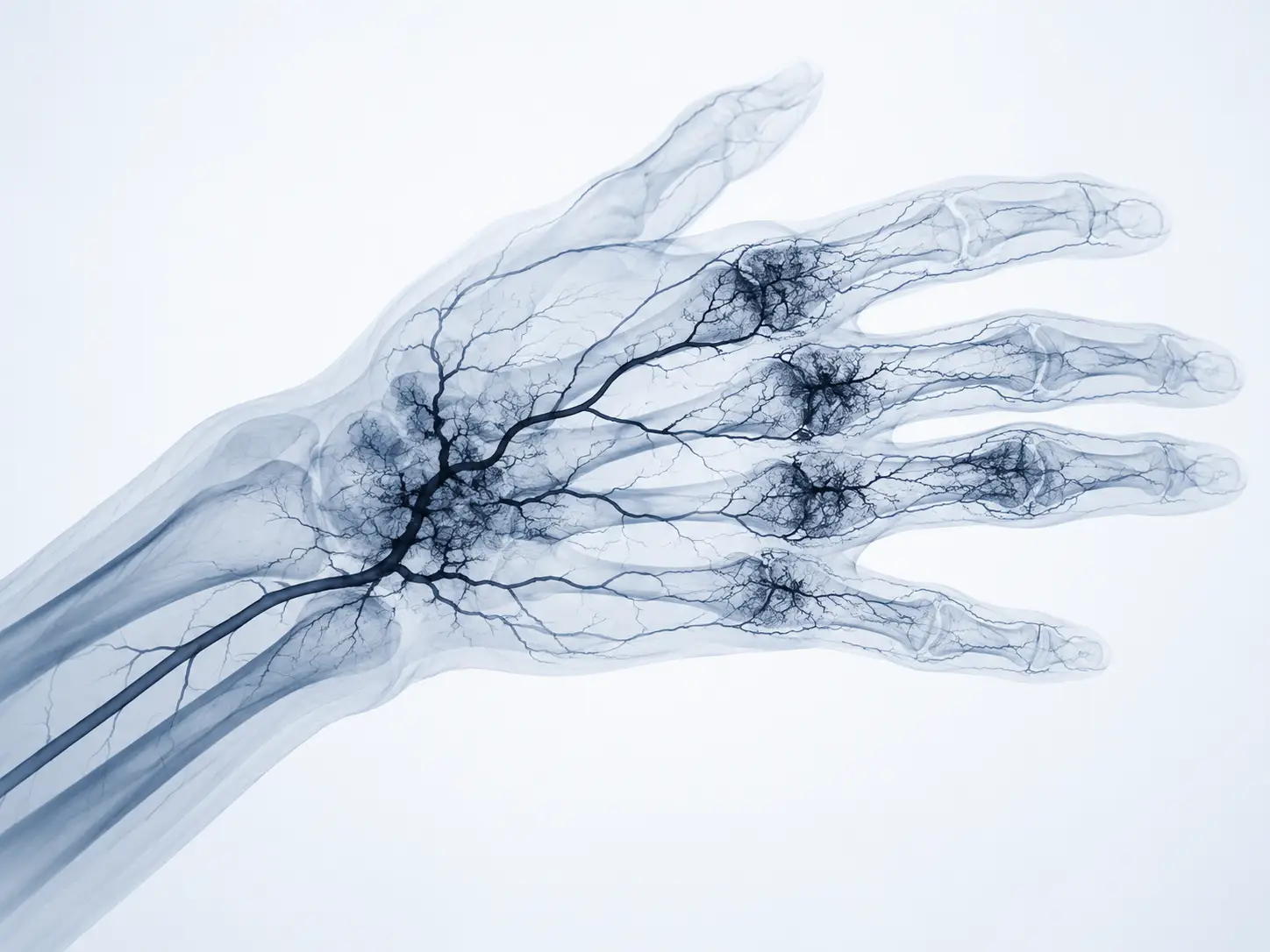
Imaging identifies abnormal blood flow around the painful joints.
03
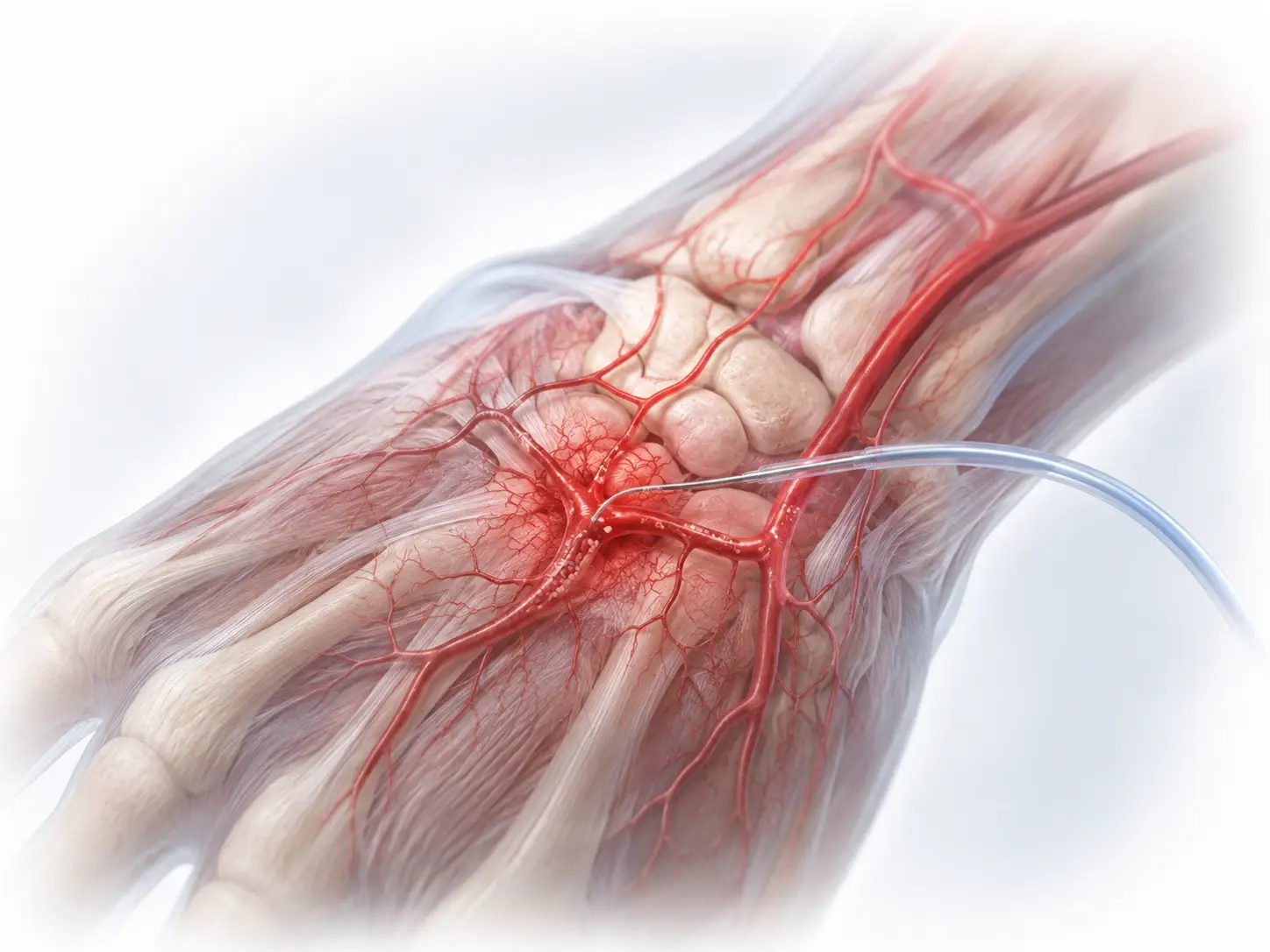
Embolic material is delivered to reduce abnormal inflammatory blood flow.
04

The access site is closed and you are monitored before discharge.
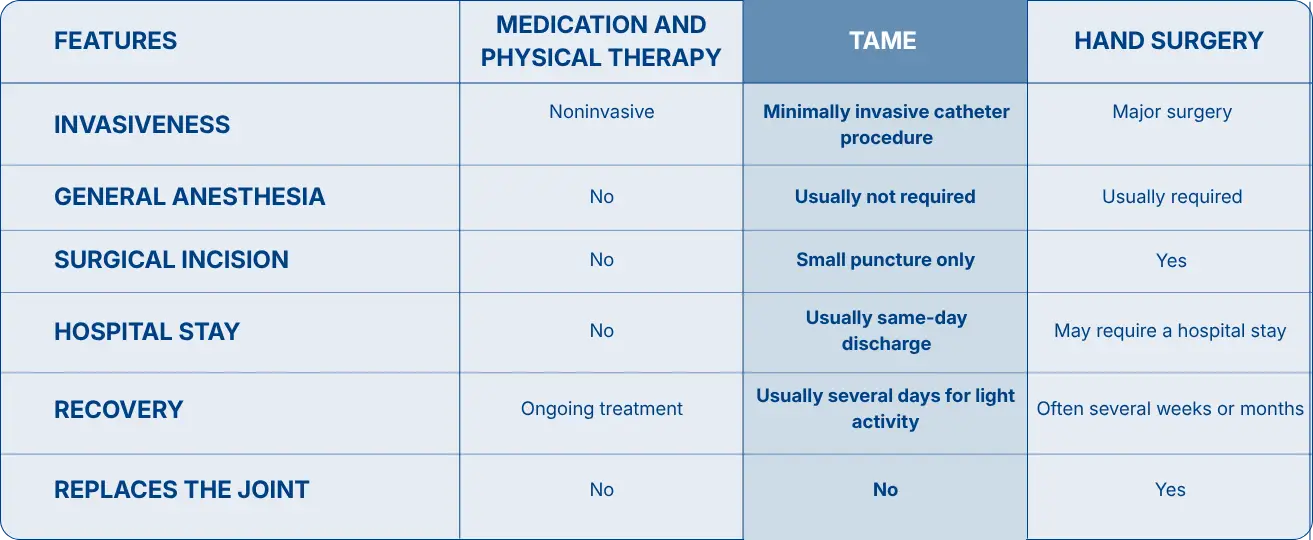
What to expect after TAME for Chronic Hand Pain. Most patients recover quickly and return to normal activities within days.
Outpatient procedure.
You go home the same day.
Light everyday activity is usually fine. Keep the access site clean and dry.
Most patients return to their normal daily activities.
Many patients begin to notice less pain and stiffness.
Pain and function may continue to improve over the following months.
How Transcatheter Arterial Microembolization (TAME) for Chronic Hand Pain






 Trustindex verifies that the original source of the review is Google.
 Trustindex verifies that the original source of the review is Google.
 Trustindex verifies that the original source of the review is Google.
 Trustindex verifies that the original source of the review is Google.
 Trustindex verifies that the original source of the review is Google.
 Trustindex verifies that the original source of the review is Google.
 Trustindex verifies that the original source of the review is Google.
Does TAME repair the hand joint?
No. TAME does not regrow cartilage, reverse osteoarthritis, or repair structural joint damage. It is designed to reduce abnormal blood flow associated with chronic inflammation, which may help reduce pain and improve hand function.
TAME may be considered for selected patients with persistent osteoarthritis-related pain in the thumb or finger joints, especially when conservative treatments have not provided enough relief.
A steroid injection delivers anti-inflammatory medication directly into or around the painful joint. TAME works through the arterial blood supply, targeting abnormal vessels associated with chronic inflammation. Neither treatment restores lost cartilage.
The access area is numbed with local anesthesia, and medication may be provided to help you relax. You may feel a brief pinch or pressure during the procedure, but significant discomfort is not expected.
By reducing pain and inflammation, TAME may help some patients use their hands more comfortably for gripping, pinching, writing, and other daily activities. Results vary from patient to patient.
Improvement is usually gradual rather than immediate. Some patients may notice changes within the first few weeks, while pain and function may continue to improve over the following months.
TAME is intended to reduce pain and improve function, not repair structural joint damage. If surgery becomes necessary in the future, your hand specialist can discuss the appropriate options.
Arterial embolization for hand osteoarthritis is an emerging minimally invasive treatment. Early studies have shown promising improvements in pain and function, but larger clinical studies are still needed.
Coverage varies by insurance company, diagnosis, medical necessity, and plan requirements. Before treatment is scheduled, our team can verify your benefits and request authorization when required.
Diabetic Foot, Wounds & Limb Preservation
A wound that hasn't healed in two weeks may have a vascular cause. Learn how poor circulation - from PAD, diabetes, or venous disease - prevents healing, and what treatment options address the root problem.

Tests & Treatments
Managing joint pain and treating joint pain are not the same thing. This pillar page explains the clinical difference and how minimally invasive procedures - GAE, TAME, and PFE - address the root cause when management alone isn't enough.
Tests & Treatments
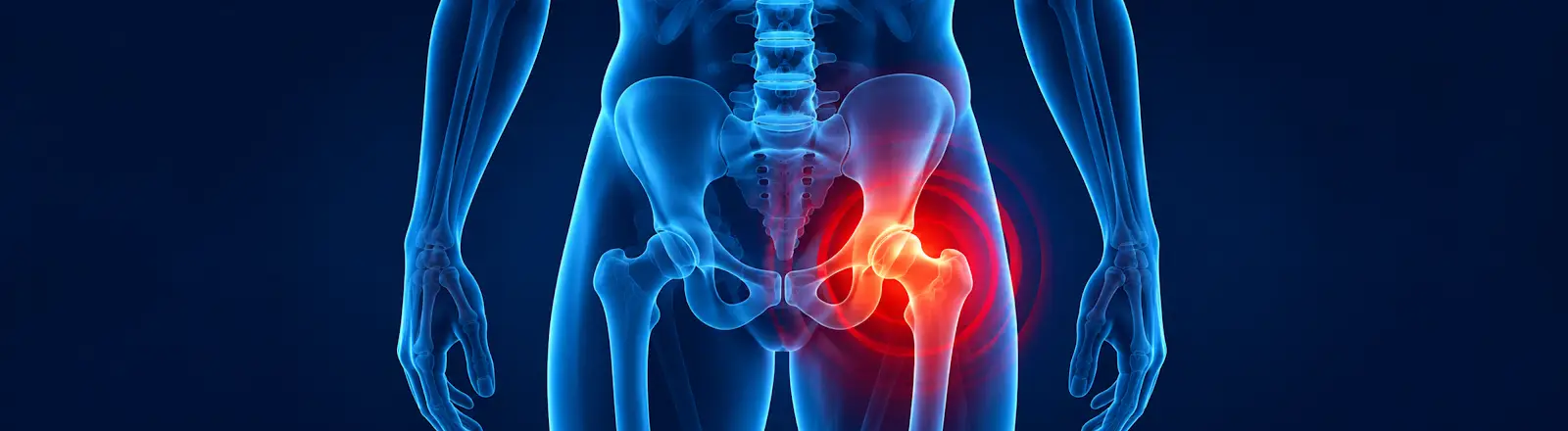
Chronic hip pain that hasn't responded to injections or physical therapy may have a vascular cause. Learn how TAME offers lasting relief without surgery.

Knee Pain & GAE
Cold weather amplifies chronic joint pain for physiological reasons - not psychological ones. Learn what is actually happening and what minimally invasive treatments can break the cycle.

Knee Pain & GAE
Chronic knee pain that hasn't responded to injections or physical therapy may have a vascular cause. Learn how Genicular Artery Embolization (GAE) offers real relief without surgery.

Tests & Treatments
Hand osteoarthritis and the vascular treatment option most patients never hear about.

Tests & Treatments
When stretching and orthotics are not enough - understanding PFE and the vascular source of chronic heel pain.
Tests & Treatments
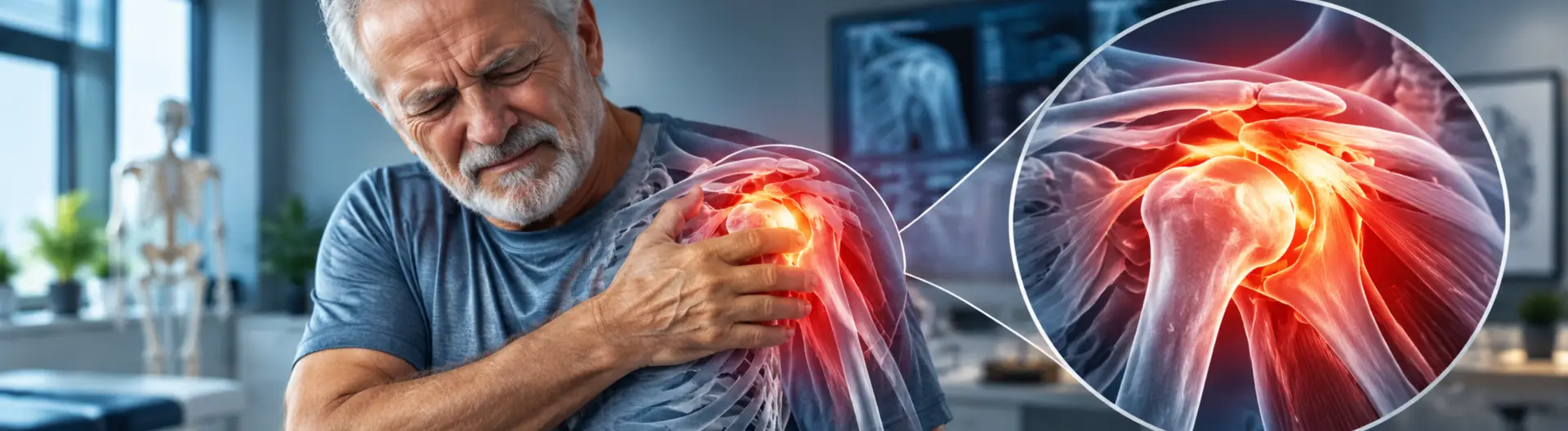
Bone and Joint Action Week runs from October 12 to 20 each year - a reminder that musculoskeletal health affects nearly every aspect of daily life. For millions of Americans, chronic shoulder pain is a daily reality that limits sleep, work, and the ability to do ordinary things.

Heart & Vascular Health
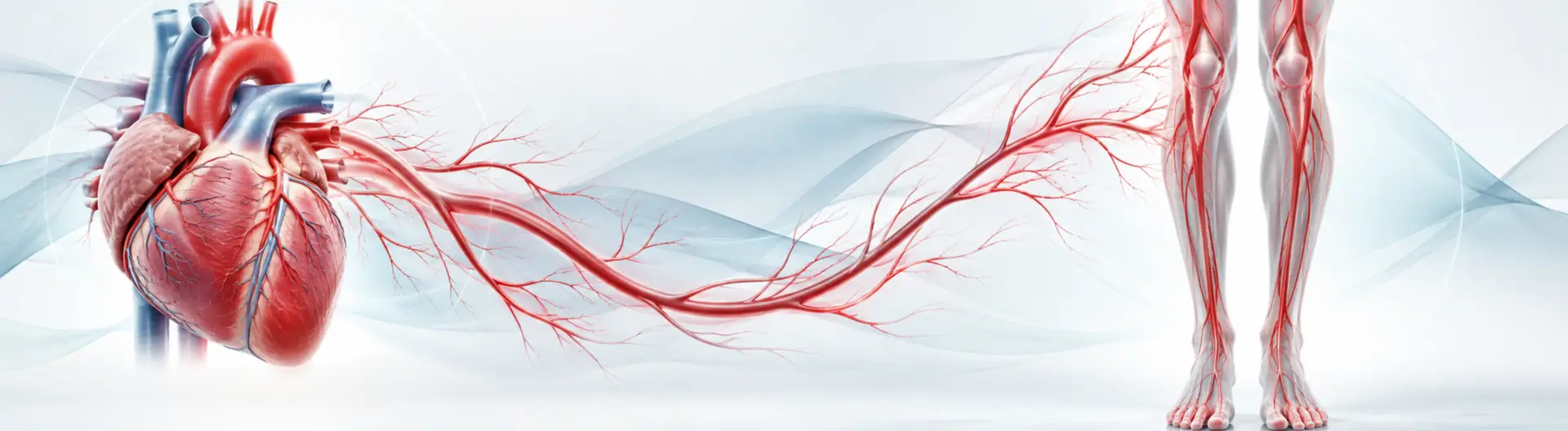
Understanding chronic venous insufficiency and what Heart Vascular and Leg Center can do about it.
Knee Pain & GAE
PAD, AFib, and heart disease share the same risk factors and significantly raise each other's risk. A vascular specialist in Bakersfield explains the connection and what it means for your care.

Knee Pain & GAE
Most people with chronic knee or joint pain have quietly learned to live with it. A vascular specialist in Bakersfield explains why that is worth reconsidering this Pain Awareness Month.
Heart & Vascular Health, PAD & Circulation
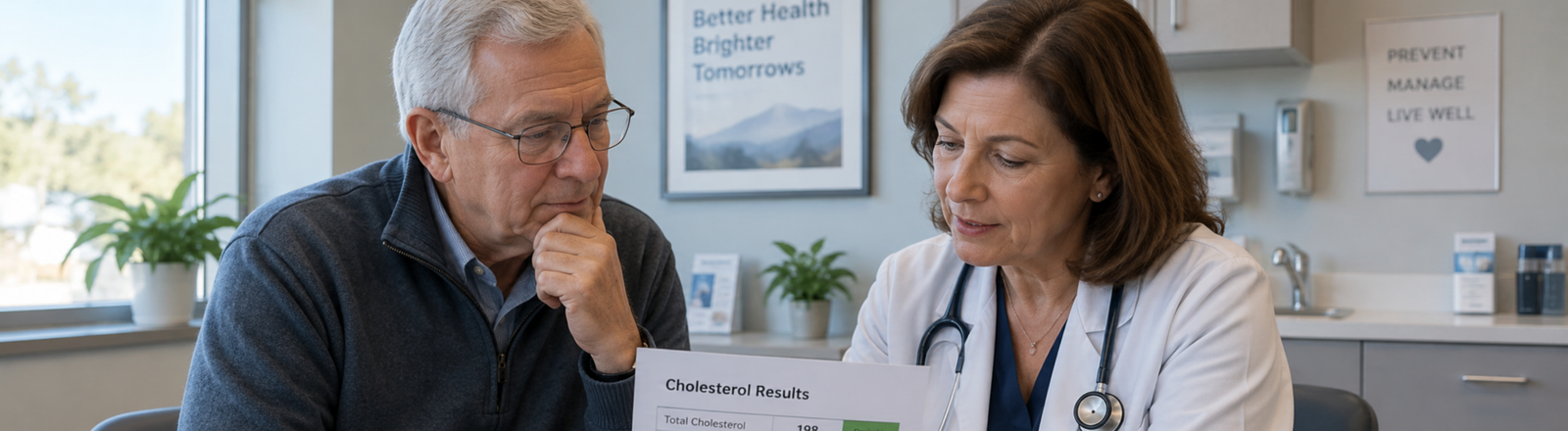
When someone gets a high cholesterol result, the conversation almost always goes the same direction: heart disease risk, statins, diet changes, and keeping an eye on blood pressure. All of that is appropriate. But there is something consistently missing from that conversation. The same cholesterol buildup that narrows the arteries near your heart does the exact same thing to the arteries supplying your legs. And for a lot of patients managing high cholesterol, nobody has told them that.
Heart & Vascular Health, PAD & Circulation
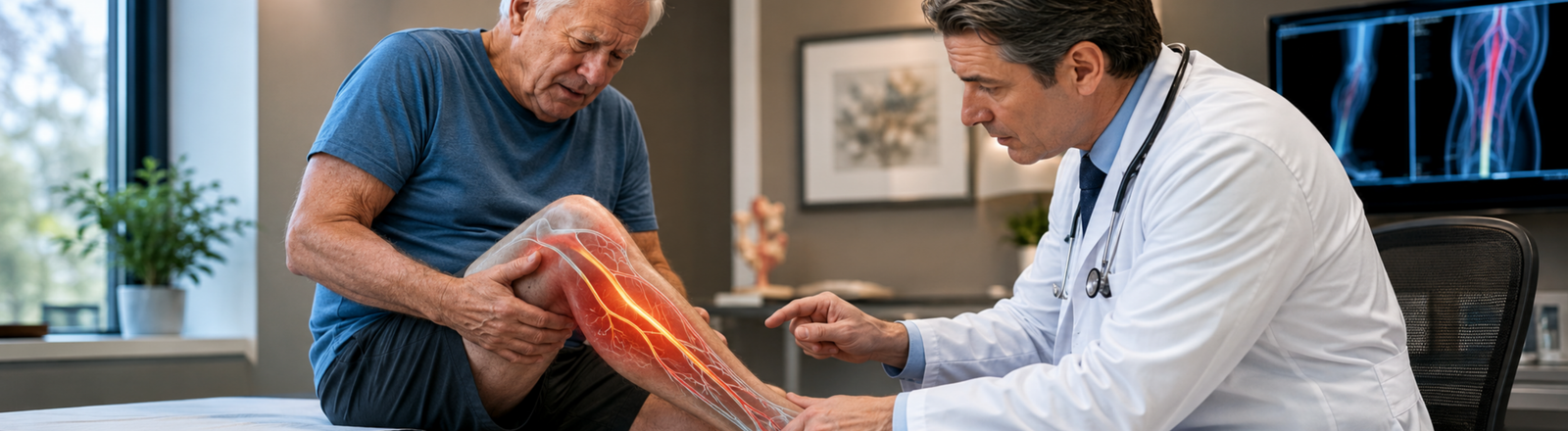
September is Vascular Disease Awareness Month and PAD Awareness Month. Here is why that matters specifically for patients in Bakersfield and Kern County, and what a free vascular screening can tell you.

Knee Pain & GAE
Knee Pain at Night: Why It Gets Worse When You Stop Moving and What It Could Mean Most people expect joint pain to get worse during activity. Push it too hard, feel it afterward. That logic makes sense. So when knee pain is worst at night, when you are lying still, not putting any weight on it, not doing anything at all, it catches people off guard. Some assume they slept in a bad position. Others take a painkiller and try to push through. What fewer people know is that nighttime knee pain has a specific meaning. It is not random. It is telling you something about what is driving the pain, and it points directly toward a mechanism that standard treatments often miss.

Heart & Vascular Health, PAD & Circulation
What Happens to Your Legs When You Sit All Day. And Why It Matters More Than You Think sitting all day effects on leg circulation poor circulation vascular health Bakersfield Most people know that sitting too much is not great for them. They have heard it enough times. But the conversation usually stays vague, centered around back pain, posture, or burning calories. What gets far less attention is what prolonged sitting does specifically to the blood flow in your legs. And for a significant number of people, particularly those with diabetes, high blood pressure, or a family history of heart disease, the effects are not just discomfort. They are the early stages of a real vascular problem.
PAD & Circulation
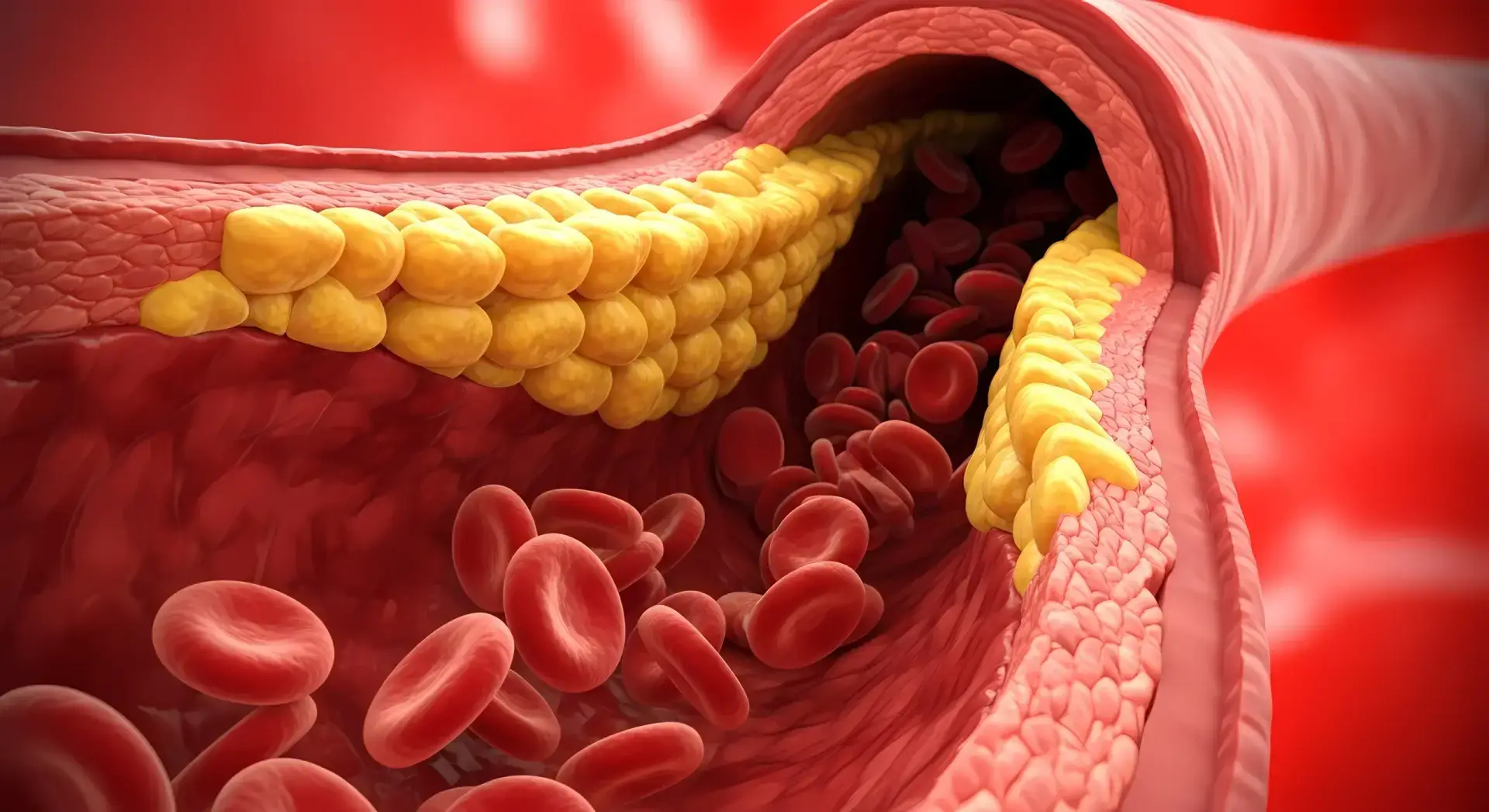
Your Heart Gets a Lot of Attention. Your Leg Arteries Deserve the Same
chronic knee pain management vs treatment what actually helps HVLC Bakersfield
Every February, American Heart Month reminds people to take care of their arteries, watch their cholesterol, check their blood pressure, and protect their cardiovascular health.
Mon - Thu
8am - 6pm
Fri
8am - 5pm
Sat - Sun
Closed
Medicare
Medicare
Most PPOs
Same-day appointments often available
5020 Commerce Dr, Bakersfield, CA 93309

Advanced minimally invasive treatments for knee pain, joint pain poor circulation, vein disease and chronic pain.
Helping patients find relief without major surgery.
A patient services representative will reach out shortly to help schedule your consultation.
Prefer to call us directly? 661-324-4100
We'll call you shortly at the number you provided. Thanks for reaching out to Heart Vascular & Leg Center.
Follow us on: