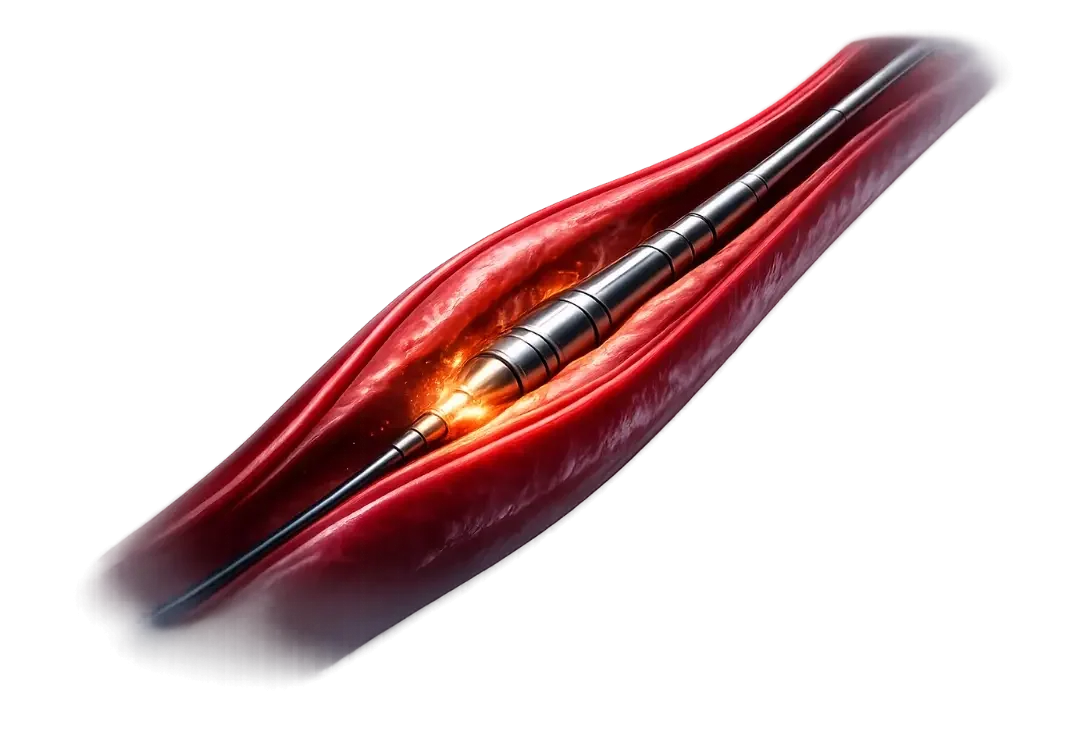
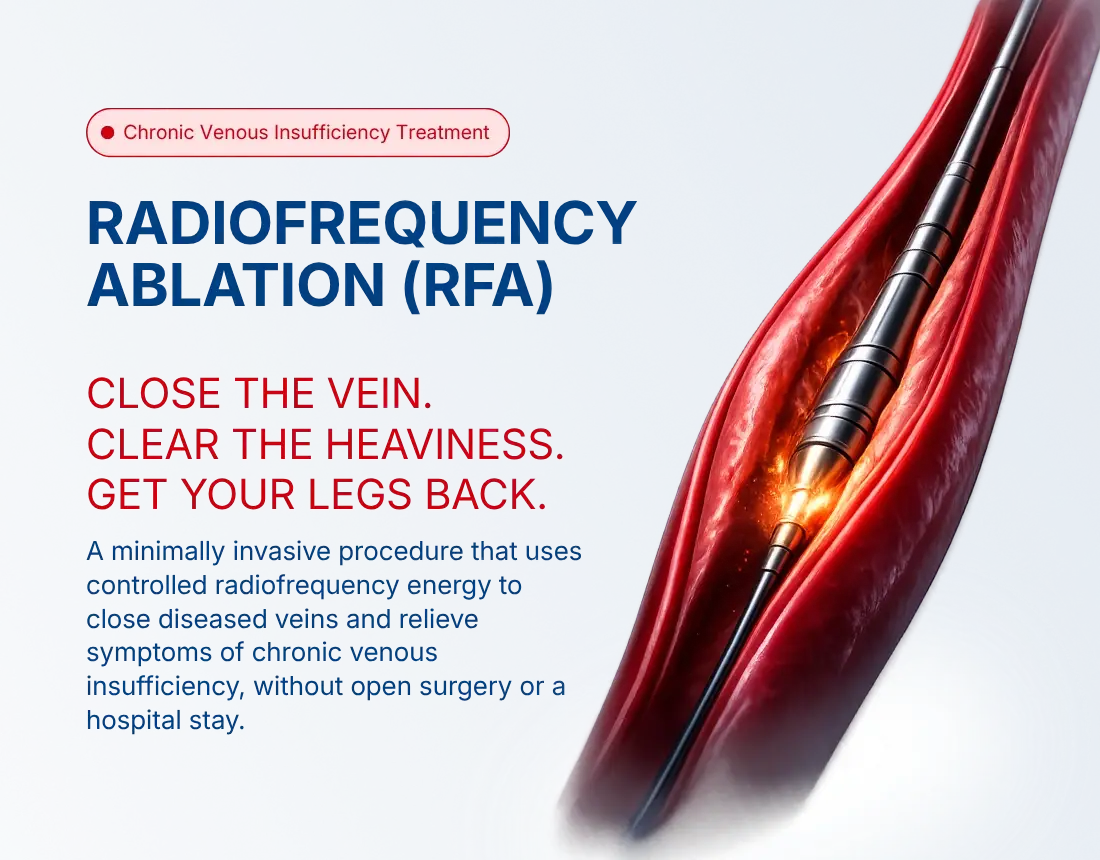
A minimally invasive procedure that uses controlled radiofrequency energy to close diseased veins and relieve symptoms of chronic venous insufficiency, without open surgery or a hospital stay.
01
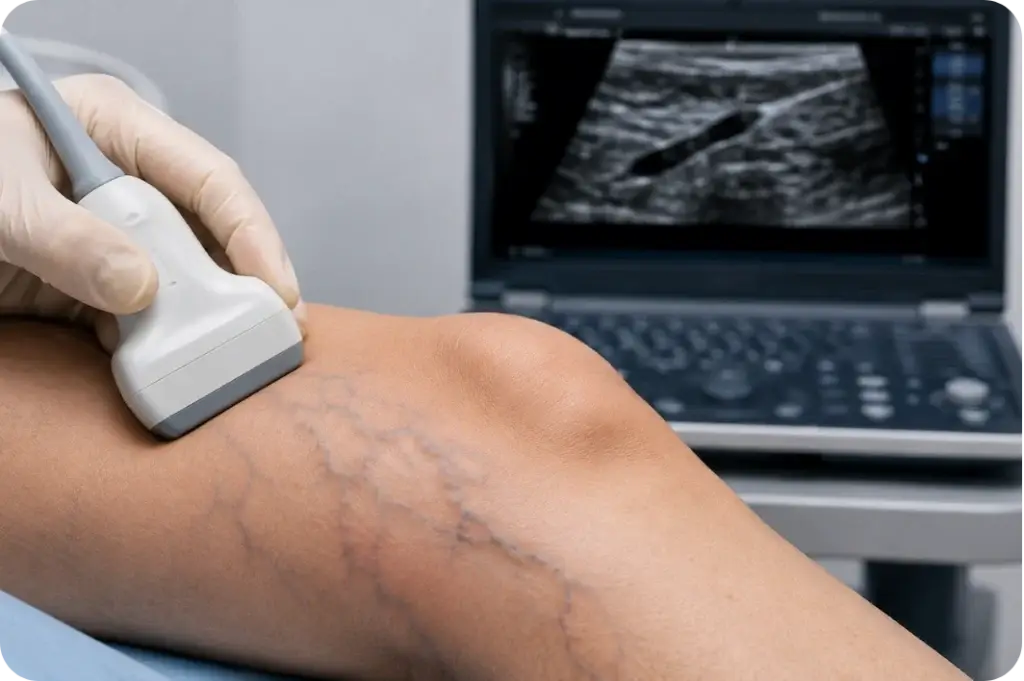
Ultrasound identifies the affected vein and guides precise catheter placement.
02
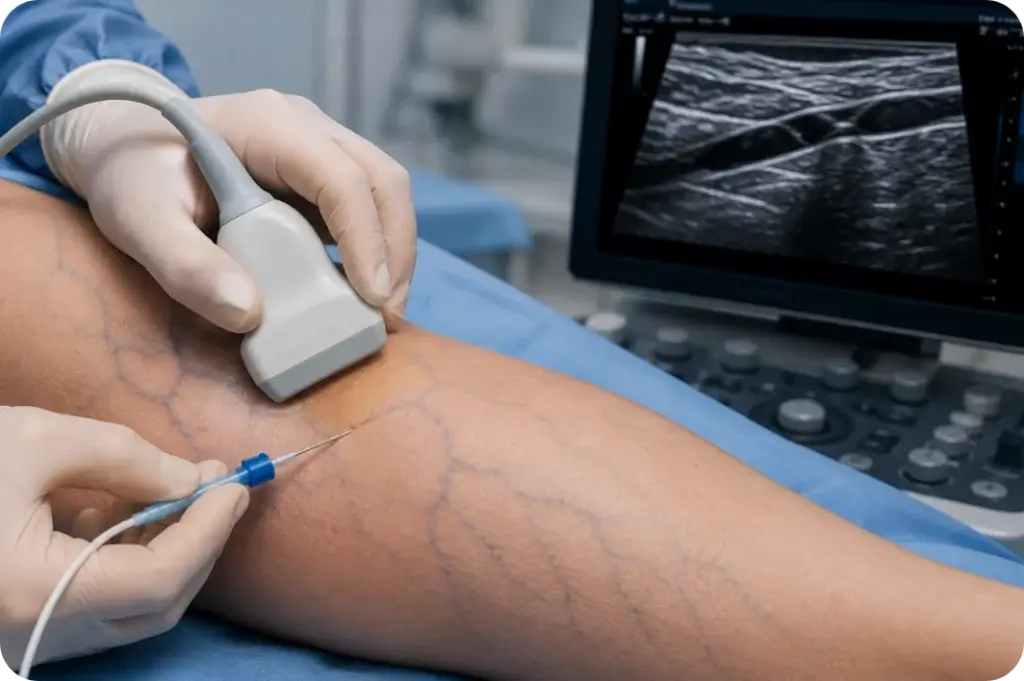
A small catheter is inserted into the numbed vein under ultrasound guidance.
03
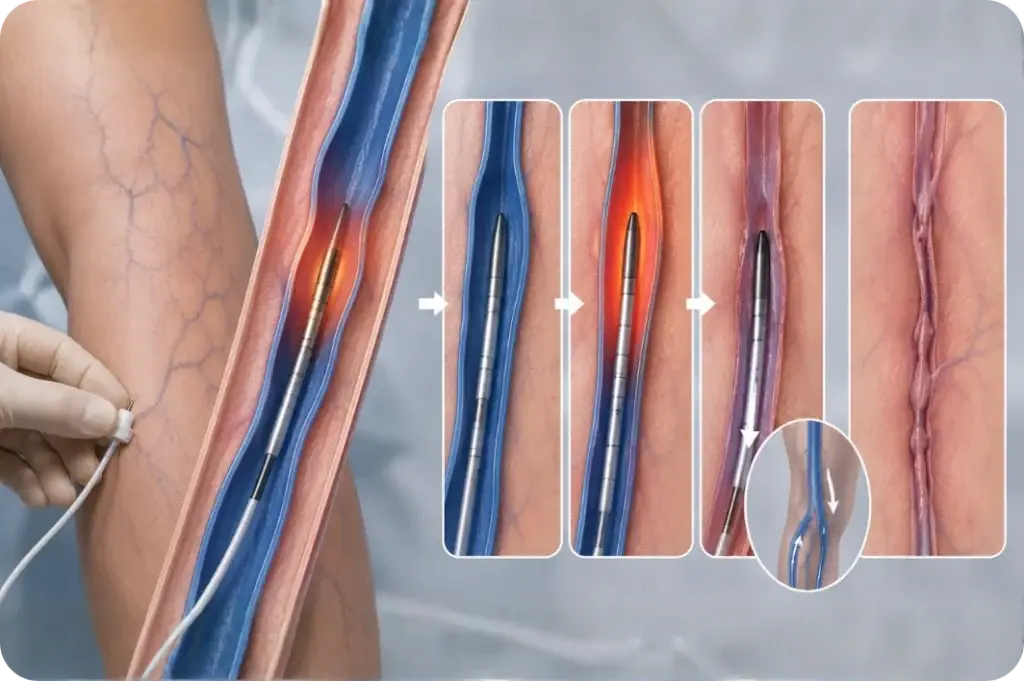
Controlled heat closes the vein, redirecting blood to healthy veins.
04
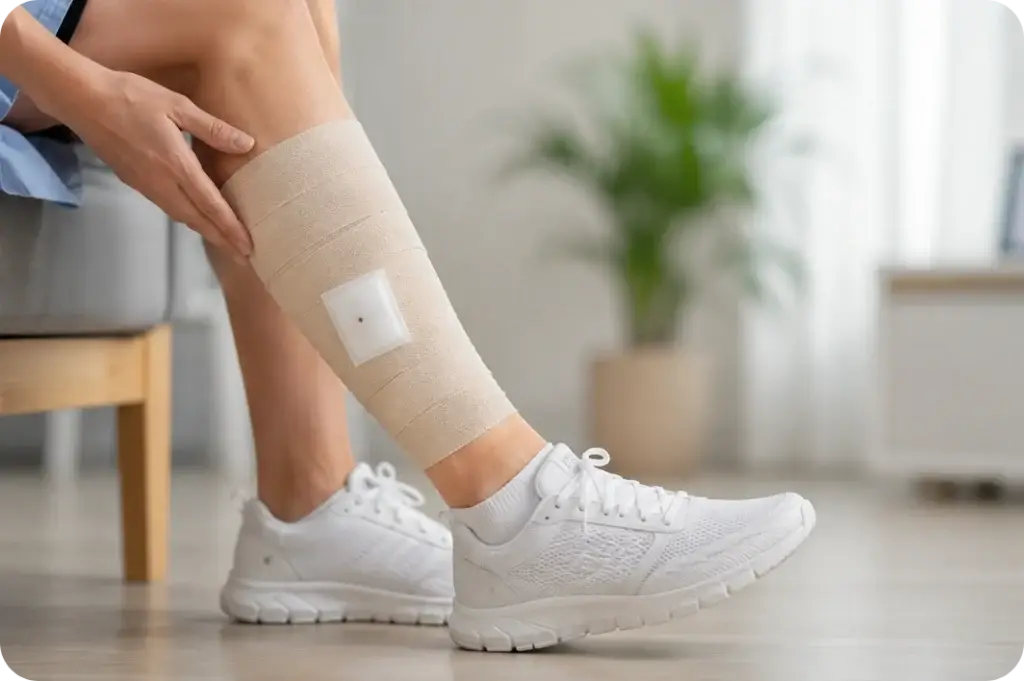
The catheter is removed, compression is applied, and you return home the same day.
What to expect after Radiofrequency Ablation (RFA). Most patients recover quickly and return to normal activities within days.
Walk soon after treatment. Go home the same day.
Take short, frequent walks. Wear compression as directed.
Ultrasound may confirm vein closure.
Less aching, heaviness, or swelling.
Stay active and keep follow-up visits.
How Radiofrequency Ablation (RFA) helps

EXCELLENTTrustindex verifies that the original source of the review is Google. I have struggled with severe swelling in one of my legs for years. At one point, it was nearly three times the size of my other leg. After being seen at Heart Vascular and Leg Center, I was prescribed medication, and in just one week, the improvement has been incredible. My leg already looks so much better. The office has also been amazing about getting my testing approved quickly, which has made the whole process much less stressful. I have a follow-up appointment in two weeks, and I can’t wait to thank Gerry personally for the care and attention I have already received. My testing has not even been completed yet, but I have already seen more progress in one week than I did after years of seeking help elsewhere. I am so grateful for the care, professionalism, and efficiency of everyone at this office. I highly recommend Heart Vascular and Leg Center to anyone looking for compassionate providers who truly want to help their patients.,and to top it allll of I was seen same day I reached out,AMAZING OVERALL EXPERIENCEPosted on GoogleTrustindex verifies that the original source of the review is Google. Dr kumar is an amazing doctor who is willing to take the time to call you personally.Posted on GoogleTrustindex verifies that the original source of the review is Google. I need A Emr on the left knee on my knees Cap my !!!??Posted on GoogleTrustindex verifies that the original source of the review is Google. Can't praise this office enough, been going to Dr Kumar for years. I have absolutely no complaint just compliments to Dr Kumar and his stuff. It's been at least 15 years, so many years I can't even remember when I started going there. They are not only very professional but all of them are very kind and caring. I always recommend them to family and friends as well strangers sitting in lobbies. JeannettePosted on GoogleTrustindex verifies that the original source of the review is Google. Great Places! I love the Staff and Doctor! They take good care of you!Posted on GoogleTrustindex verifies that the original source of the review is Google. I have been going to the Heart Vascular & Leg Center for 13 years. Dr Kumar and Elsita Mathew are the best. The staff is wonderful. The entire team is friendly and compassionate.Posted on GoogleTrustindex verifies that the original source of the review is Google. We saw Phoung, PA today. He was thorough and attentive to our questions. The staff at Heart Vascular and Leg Center that we encountered were friendly and professional. We had a positive experience. Thank you.
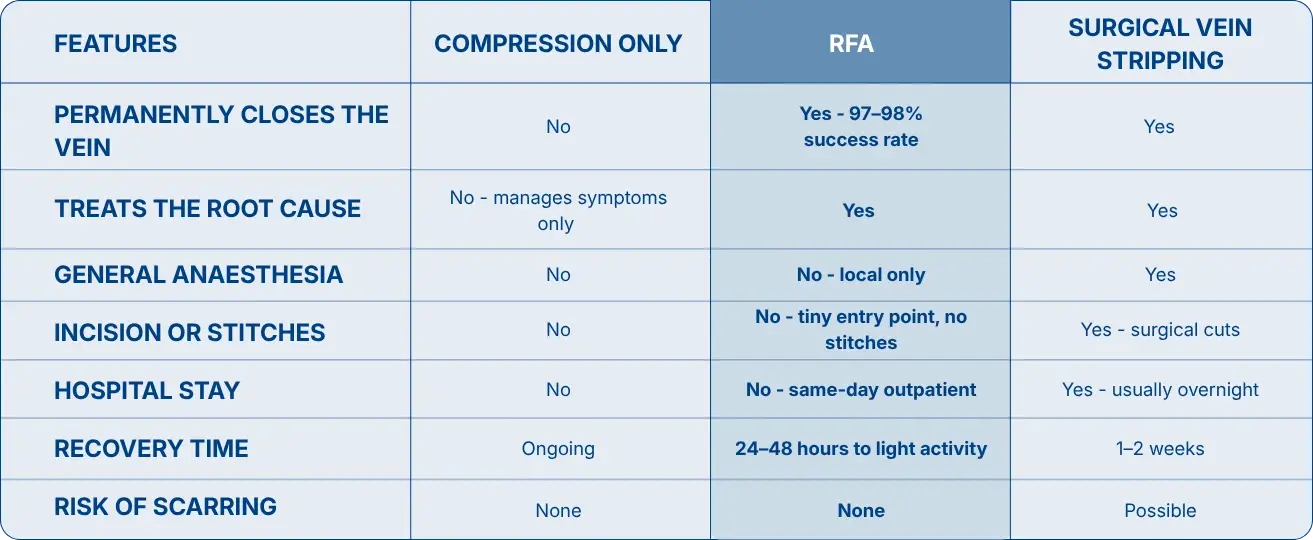
RFA is designed to close the treated vein using controlled radiofrequency energy. The closed vein is gradually broken down and absorbed by the body over the following weeks and months, while blood reroutes through nearby healthy veins.
Vein-closure rates are generally high, although results vary depending on the vein treated and the patient’s condition. If the vein does not close completely or reopens, additional treatment may be recommended.
Compression stockings may be recommended after RFA to help reduce bruising and swelling and support recovery.
The amount of time you will need to wear them varies depending on your treatment and your doctor’s instructions. Some patients wear them for several days, while others may be advised to wear them for one to two weeks.
Our team will tell you which compression level to use and how long you should wear the stockings.
The procedure itself generally takes 30 to 60 minutes, but you should plan to remain at the clinic longer for preparation, treatment, and post-procedure monitoring.
Whether you can drive yourself home depends on the medications used and your individual treatment plan. Our team may ask you to arrange for a responsible adult to drive you home. We will confirm these instructions when your appointment is scheduled.
The initial local anesthetic injections may feel like a few brief stings. Once the area is numb, most patients feel little discomfort.
You may notice mild pressure, pulling, or warmth during the procedure. After treatment, mild bruising, tenderness, or tightness along the treated vein may occur for several days.
Tell our team immediately if you experience discomfort during the procedure so it can be addressed.
Medicare may cover RFA when the procedure is considered medically necessary for chronic venous insufficiency and applicable coverage requirements are met.
Coverage often depends on documented symptoms, ultrasound findings, previous conservative treatment, and the requirements of your individual plan. Medicare Advantage, Medi-Cal, and commercial insurance coverage may vary.
Our team will verify your benefits and explain any authorization or out-of-pocket requirements before treatment.
Call 661-324-4100 to speak with our team about your insurance coverage.
Tests & Treatments
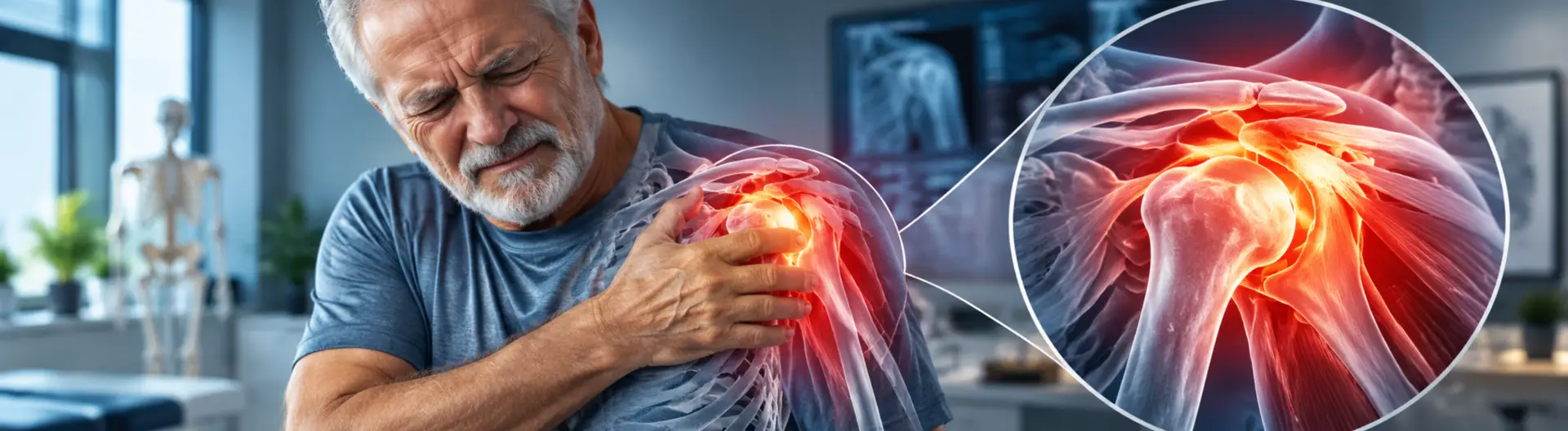
Bone and Joint Action Week runs from October 12 to 20 each year - a reminder that musculoskeletal health affects nearly every aspect of daily life. For millions of Americans, chronic shoulder pain is a daily reality that limits sleep, work, and the ability to do ordinary things.

Heart & Vascular Health
Understanding chronic venous insufficiency and what Heart Vascular and Leg Center can do about it.
Knee Pain & GAE
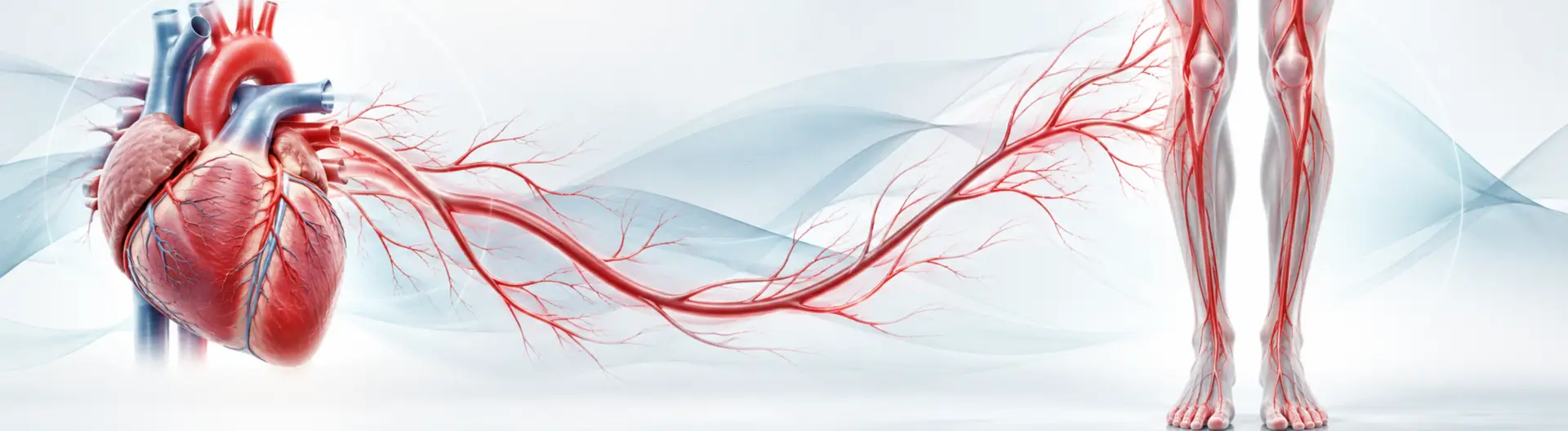
PAD, AFib, and heart disease share the same risk factors and significantly raise each other's risk. A vascular specialist in Bakersfield explains the connection and what it means for your care.

Knee Pain & GAE
Most people with chronic knee or joint pain have quietly learned to live with it. A vascular specialist in Bakersfield explains why that is worth reconsidering this Pain Awareness Month.

Heart & Vascular Health, PAD & Circulation
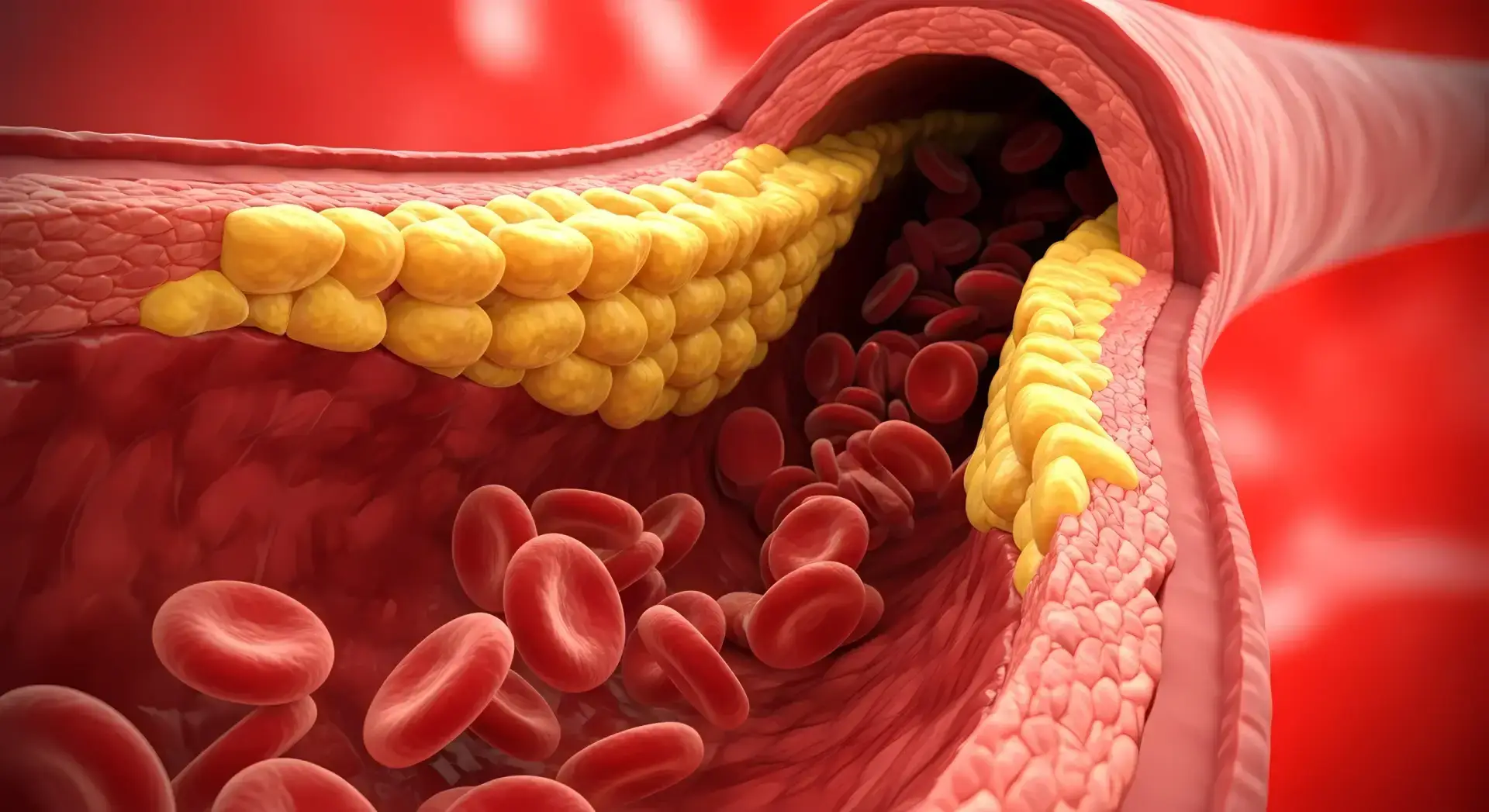
When someone gets a high cholesterol result, the conversation almost always goes the same direction: heart disease risk, statins, diet changes, and keeping an eye on blood pressure. All of that is appropriate. But there is something consistently missing from that conversation. The same cholesterol buildup that narrows the arteries near your heart does the exact same thing to the arteries supplying your legs. And for a lot of patients managing high cholesterol, nobody has told them that.
Heart & Vascular Health, PAD & Circulation
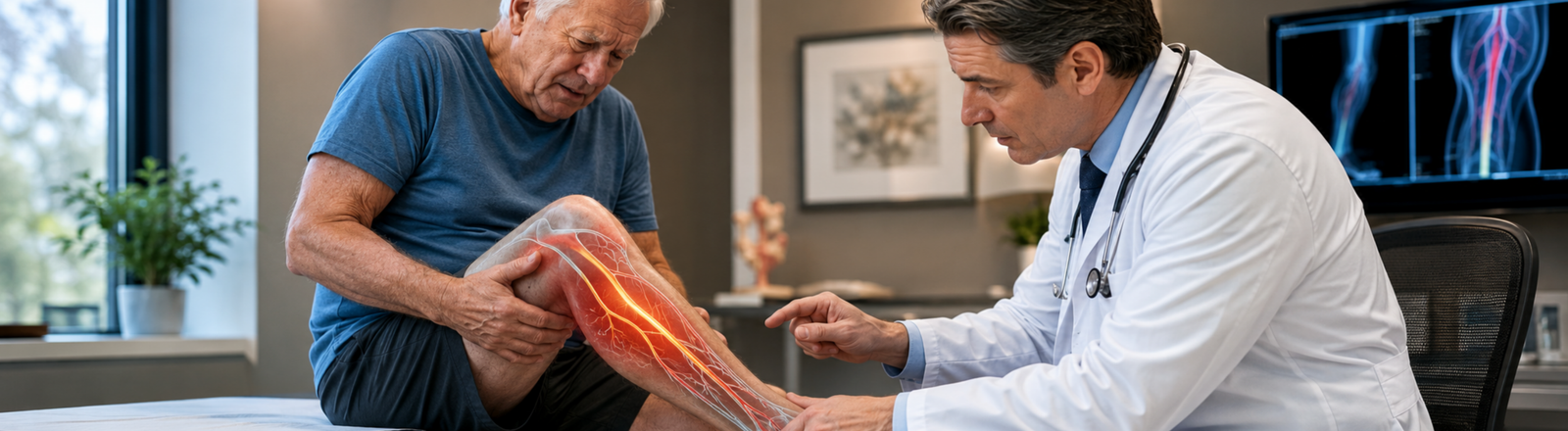
September is Vascular Disease Awareness Month and PAD Awareness Month. Here is why that matters specifically for patients in Bakersfield and Kern County, and what a free vascular screening can tell you.

Knee Pain & GAE
Knee Pain at Night: Why It Gets Worse When You Stop Moving and What It Could Mean Most people expect joint pain to get worse during activity. Push it too hard, feel it afterward. That logic makes sense. So when knee pain is worst at night, when you are lying still, not putting any weight on it, not doing anything at all, it catches people off guard. Some assume they slept in a bad position. Others take a painkiller and try to push through. What fewer people know is that nighttime knee pain has a specific meaning. It is not random. It is telling you something about what is driving the pain, and it points directly toward a mechanism that standard treatments often miss.

Heart & Vascular Health, PAD & Circulation
What Happens to Your Legs When You Sit All Day. And Why It Matters More Than You Think sitting all day effects on leg circulation poor circulation vascular health Bakersfield Most people know that sitting too much is not great for them. They have heard it enough times. But the conversation usually stays vague, centered around back pain, posture, or burning calories. What gets far less attention is what prolonged sitting does specifically to the blood flow in your legs. And for a significant number of people, particularly those with diabetes, high blood pressure, or a family history of heart disease, the effects are not just discomfort. They are the early stages of a real vascular problem.
PAD & Circulation
Your Heart Gets a Lot of Attention. Your Leg Arteries Deserve the Same
chronic knee pain management vs treatment what actually helps HVLC Bakersfield
Every February, American Heart Month reminds people to take care of their arteries, watch their cholesterol, check their blood pressure, and protect their cardiovascular health.

Knee Pain & GAE
Pain management and pain treatment are not the same thing. If your knee still hurts after months of coping, here is what a vascular specialist in Bakersfield thinks you should know.
Vein Disease & DVT
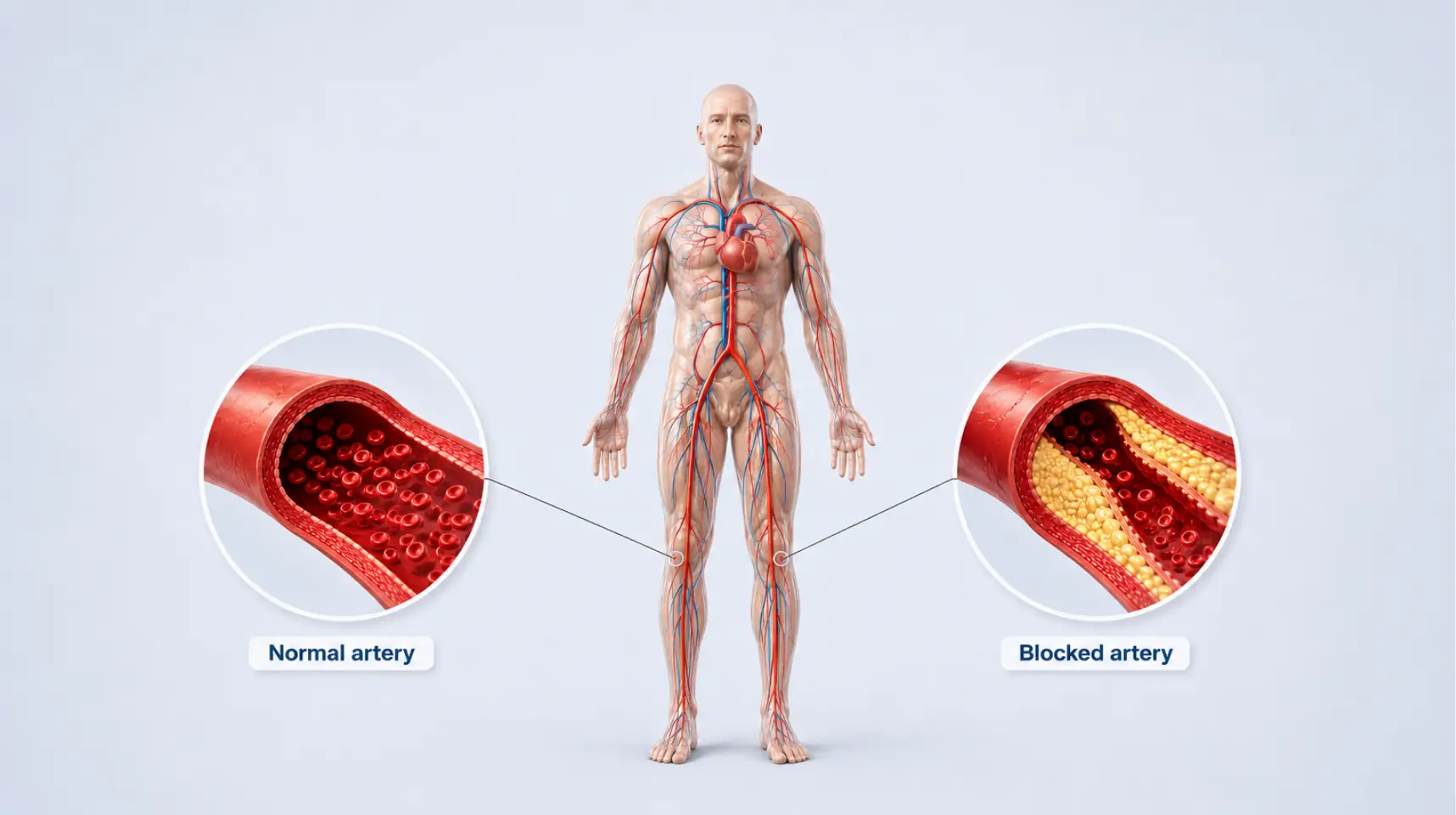
Deep vein thrombosis (DVT) is a circulatory system problem that occurs in the deep veins of your legs. Anyone who’s developed any stage of vein disease is at risk for developing this potentially life-threatening condition, but knowing your risks will help you get medical treatment at the first sign of trouble.
PAD & Circulation
Deep vein thrombosis (DVT) is a circulatory system problem that occurs in the deep veins of your legs. Anyone who’s developed any stage of vein disease is at risk for developing this potentially life-threatening condition, but knowing your risks will help you get medical treatment at the first sign of trouble.
PAD & Circulation
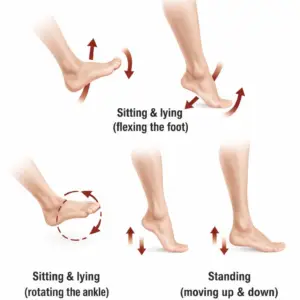
If your days involve long hours of sitting at a desk or standing on your feet, your legs may be working overtime to keep blood moving. The good news? You don’t need a gym session—or much time—to support healthy circulation. A few simple stretches, like calf raises and ankle circles, can make a noticeable difference in just minutes.
Knee Pain & GAE
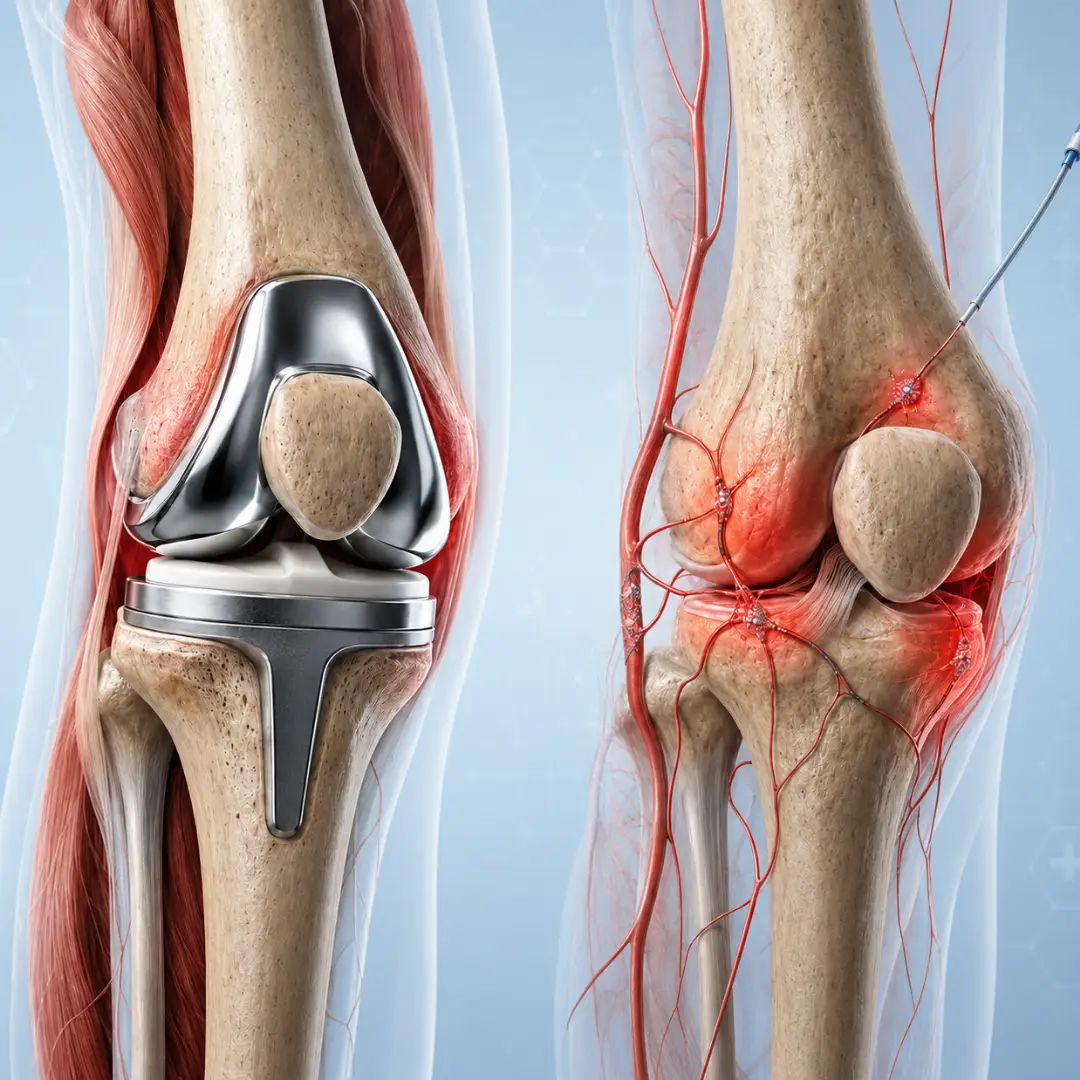
GAE vs. Knee Replacement: Understanding Where Genicular Artery Embolization Fits
Not Every Patient With Knee Arthritis Is Ready for Surgery Knee osteoarthritis can progress slowly over years. Some patients manage symptoms with exercise, medication, injections, weight loss, bracing, or physical therapy. Others eventually reach a point where knee replacement becomes the best option.

PAD & Circulation
Leg heaviness, cold feet, slow-healing wounds. These are not just signs of aging. A vascular specialist in Bakersfield explains what declining circulation looks like and when to act.
Knee Pain & GAE
Arthritis Is Not Just About Your Joints. Here Is Why Your Blood Vessels Matter Too And most of the conversation this month follows the same familiar path: cartilage breakdown, joint wear, inflammation, medication, physiotherapy, and eventually surgery.
Mon - Thu
8am - 6pm
Fri
8am - 5pm
Sat - Sun
Closed
Medicare
Medicare
Most PPOs
Same-day appointments often available
5020 Commerce Dr, Bakersfield, CA 93309
Advanced minimally invasive treatments for knee pain, joint pain poor circulation, vein disease and chronic pain.
Helping patients find relief without major surgery.
A patient services representative will reach out shortly to help schedule your consultation.
Prefer to call us directly? 661-324-4100
We'll call you shortly at the number you provided. Thanks for reaching out to Heart Vascular & Leg Center.
Follow us on: