
What Happens to Your Legs When You Sit All Day. And Why It Matters More Than You Think
 |
Most people know that sitting too much is not great for them. They have heard it enough times. But the conversation usually stays vague, centered around back pain, posture, or burning calories.
What gets far less attention is what prolonged sitting does specifically to the blood flow in your legs. And for a significant number of people, particularly those with diabetes, high blood pressure, or a family history of heart disease, the effects are not just discomfort. They are the early stages of a real vascular problem.
What Actually Happens to Your Circulation When You Sit
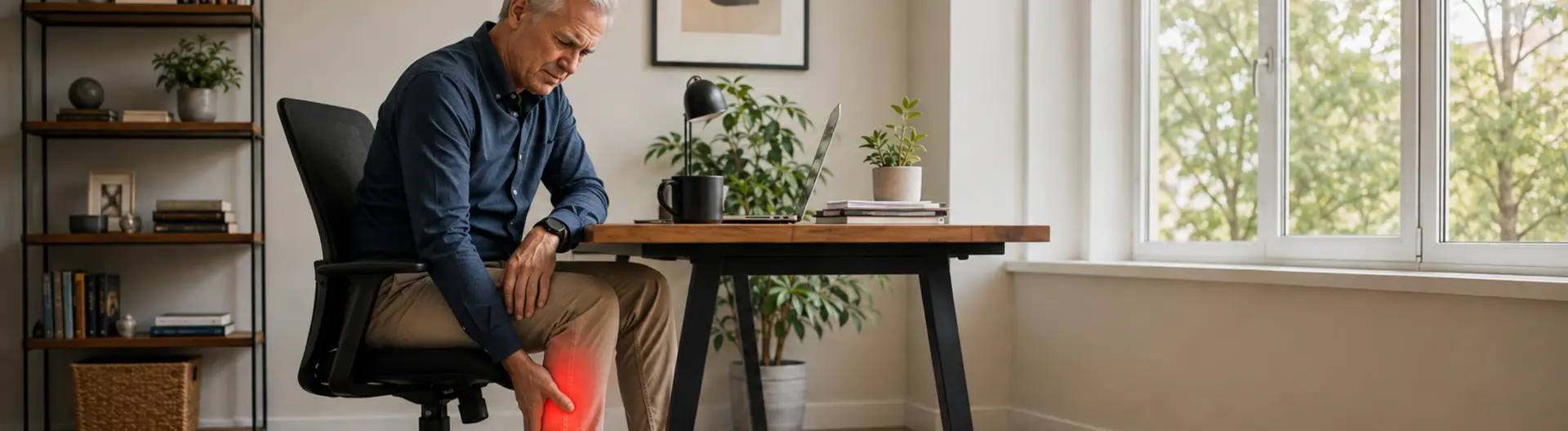
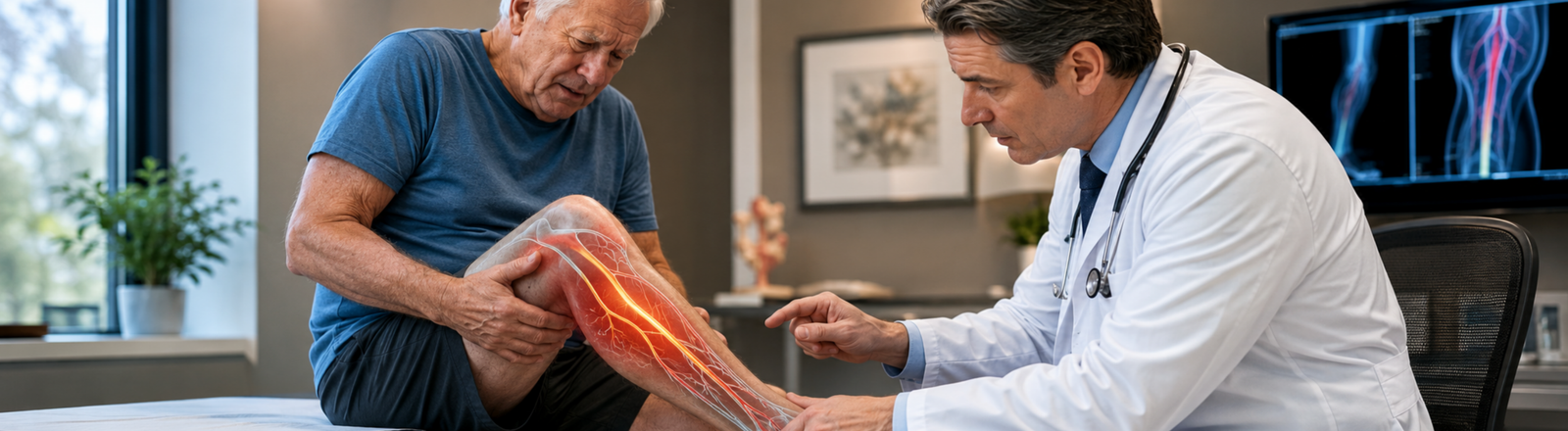
Blood flow through the legs depends heavily on movement. The calf muscles act as a pump, contracting with each step to push blood back up toward the heart against gravity. When you sit still for extended periods, that pump stops working. Research published in the Journal of Applied Physiology found that just one hour of sitting significantly reduces blood flow and increases arterial stiffness in the lower legs ↗, even in otherwise healthy adults.
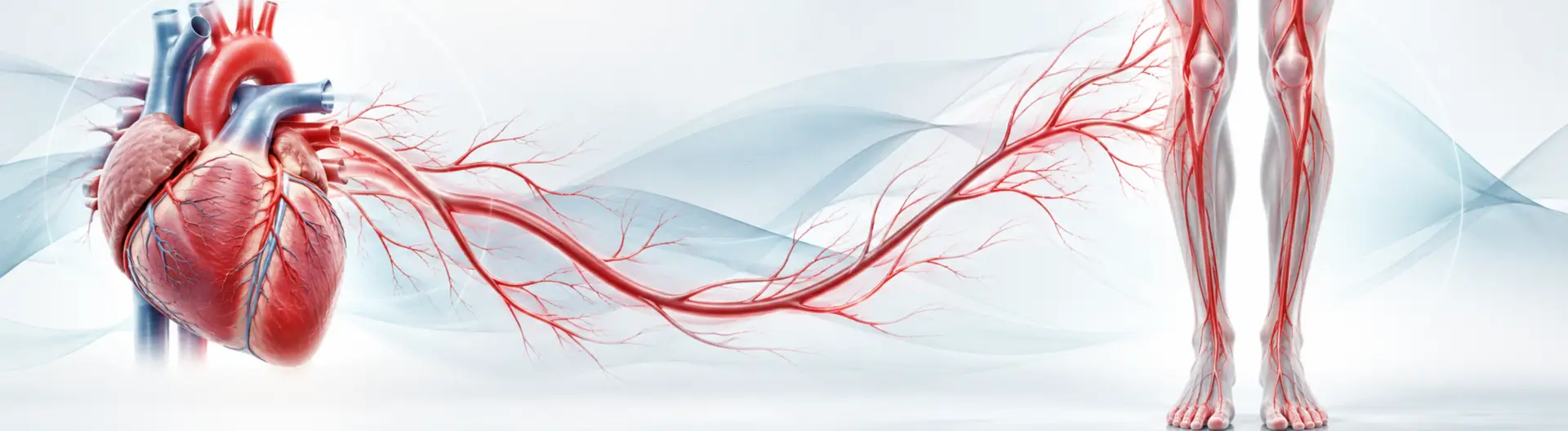
Over time, repeated and prolonged periods of sitting accelerate the buildup of fatty deposits in the artery walls, a process called atherosclerosis. This is the same process that causes Peripheral Artery Disease, where the arteries supplying the legs become narrowed and blood flow becomes chronically restricted.
For people who already have risk factors like diabetes, high cholesterol, or high blood pressure, prolonged sitting adds pressure to a system that is already under stress.
Read Also: 5 Signs Your Circulation Is Getting Worse. And Why Most People Miss Them
The Difference Between Temporary Discomfort and a Real Warning Sign
Legs feeling stiff or achy after a long day at a desk is common and usually temporary. Standing up, walking around, and getting blood moving again clears it up within minutes. That is normal.
What is not normal is when that discomfort does not clear up easily, or when it starts appearing alongside other signs. Leg swelling that gets progressively worse toward the end of the day. Skin discoloration or texture changes on the lower legs. Feet that feel persistently cold. Leg cramping when walking that eases with rest.
These signs point to something beyond normal sitting fatigue. They suggest the circulation in the legs is already compromised, and that what felt like a lifestyle issue has become a vascular one.
Read Also: PAD Symptoms: What Your Leg Pain Might Be Telling You
Who Needs to Pay More Attention
Not everyone who sits a lot is at the same level of risk. But certain groups need to take the leg circulation conversation more seriously. The CDC identifies physical inactivity as one of the five major modifiable risk factors for Peripheral Artery Disease ↗, alongside diabetes, smoking, high blood pressure, and high cholesterol.
If you have diabetes and a sedentary job or lifestyle, the combination significantly elevates your risk. High blood sugar already damages artery walls over time. Add reduced blood flow from prolonged sitting and the arteries in your legs are under double pressure.
The same applies if you have high blood pressure, high cholesterol, or a history of smoking. Any of these combined with a predominantly sedentary lifestyle is a reason to have your leg circulation checked proactively rather than waiting for symptoms to become hard to ignore.
Read Also: If You Have Diabetes, Your Legs Are at Greater Risk Than You Think
What You Can Do – and When It Is Not Enough
Movement breaks genuinely help. Getting up every 30 to 45 minutes, even just to stand and walk for a couple of minutes, keeps the calf muscle pump active and reduces the impact of prolonged sitting on blood flow. Staying well hydrated, elevating the legs when resting, and avoiding crossing the legs for long periods all support better circulation.
But lifestyle changes have a ceiling. They can slow the progression of vascular disease and reduce risk, but they cannot reverse arterial narrowing that has already developed. And they cannot compensate for the damage that years of sitting combined with other risk factors may have already done.
If you have been sedentary for years and have additional risk factors, the most useful thing is not a new wellness habit. It is a vascular evaluation to understand where your circulation actually stands.
What a Circulation Check Involves
At Heart Vascular and Leg Center in Bakersfield, a vascular evaluation starts with a simple, non-invasive test called an Ankle-Brachial Index. It measures blood pressure at the ankle and at the arm to assess how well blood is reaching the lower legs. It is painless, takes a few minutes, and requires no hospital visit. Learn more about vascular testing here.
If the results indicate a problem, Dr. Vinod Kumar and his team offer the full range of minimally invasive treatments to restore blood flow, including angioplasty, atherectomy, and angiogram. All office-based, same-day procedures.
Sitting all day is unavoidable for a lot of people. What is avoidable is not knowing what it has done to your circulation until it becomes a serious problem.
Frequently Asked Questions
Does sitting all day cause poor circulation?
Prolonged sitting reduces the activity of the calf muscle pump, which is responsible for pushing blood back up to the heart from the legs. Over time, regularly sitting for long periods can contribute to arterial stiffness and accelerate the buildup of fatty deposits in the leg arteries, increasing the risk of poor circulation and Peripheral Artery Disease, particularly in people with other risk factors like diabetes or high blood pressure.
Why do my legs swell and ache after sitting all day?
Temporary leg swelling and achiness after prolonged sitting is common and usually clears up with movement. When blood pools in the lower legs due to inactivity, fluid can leak into surrounding tissue causing swelling. If swelling is persistent, worsening over time, or accompanied by other symptoms like skin changes or slow-healing wounds, it may indicate a circulation problem that warrants a vascular evaluation.
How do I know if my leg discomfort from sitting is a vascular problem?
Normal sitting discomfort resolves quickly once you stand and move around. Signs that suggest a vascular issue include leg pain that does not ease with movement, persistent swelling, skin that looks shiny or discolored on the lower legs, cold or numb feet, and wounds on the feet or lower legs that are slow to heal. If any of these are present alongside risk factors like diabetes or smoking, a vascular check is recommended.
Can lifestyle changes reverse poor circulation from sitting?
Movement breaks and lifestyle changes can slow the progression of vascular disease and reduce risk, but they cannot reverse arterial narrowing that has already developed. For people with existing circulation problems or significant risk factors, a vascular evaluation is the appropriate first step to understand what intervention may be needed.
Where can I get a leg circulation check in Bakersfield?
Heart Vascular and Leg Center, located at 5020 Commerce Drive, Bakersfield, CA, offers non-invasive vascular testing including Ankle-Brachial Index assessment. Call 661-324-4100 or visit heartandleg.com to book an evaluation with Dr. Vinod Kumar, MD, FACC.



Follow us on: