Your Heart Gets a Lot of Attention. Your Leg Arteries Deserve the Same
 |
Every February, American Heart Month reminds people to take care of their arteries, watch their cholesterol, check their blood pressure, and protect their cardiovascular health.
It is good advice. Heart disease deserves that attention.
But the arteries in your legs are made of the same material as the arteries near your heart. They block up in the same way, for the same reasons, and carry many of the same risks. Peripheral Artery Disease affects an estimated 200 million people worldwide  and yet most people cannot name a single symptom of it. And in Kern County, where diabetes rates are among the highest in California, the local risk is particularly pronounced.
What Peripheral Artery Disease Actually Is
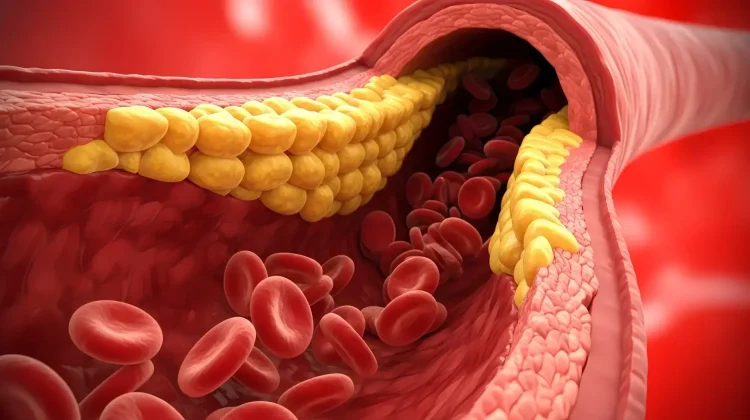
Peripheral Artery Disease happens when fatty deposits build up on the walls of the arteries supplying blood to the legs. Over time, those deposits narrow the arteries, reducing blood flow to the muscles and tissue below. It is the same atherosclerotic process that causes heart attacks in the coronary arteries. The National Heart, Lung, and Blood Institute describes PAD as a major indicator of systemic atherosclerotic disease , meaning the problem is rarely confined to just the legs.
When it happens in the leg arteries, the consequences include leg pain when walking, slow-healing wounds, cold or numb feet, and in advanced untreated cases, the risk of serious limb complications. The underlying cause, the risk factors, and the arterial mechanism are identical to heart disease. The difference is that leg artery disease receives a fraction of the public awareness.
Read Also: PAD Symptoms: What Your Leg Pain Might Be Telling You
The Connection Between PAD and Heart Risk
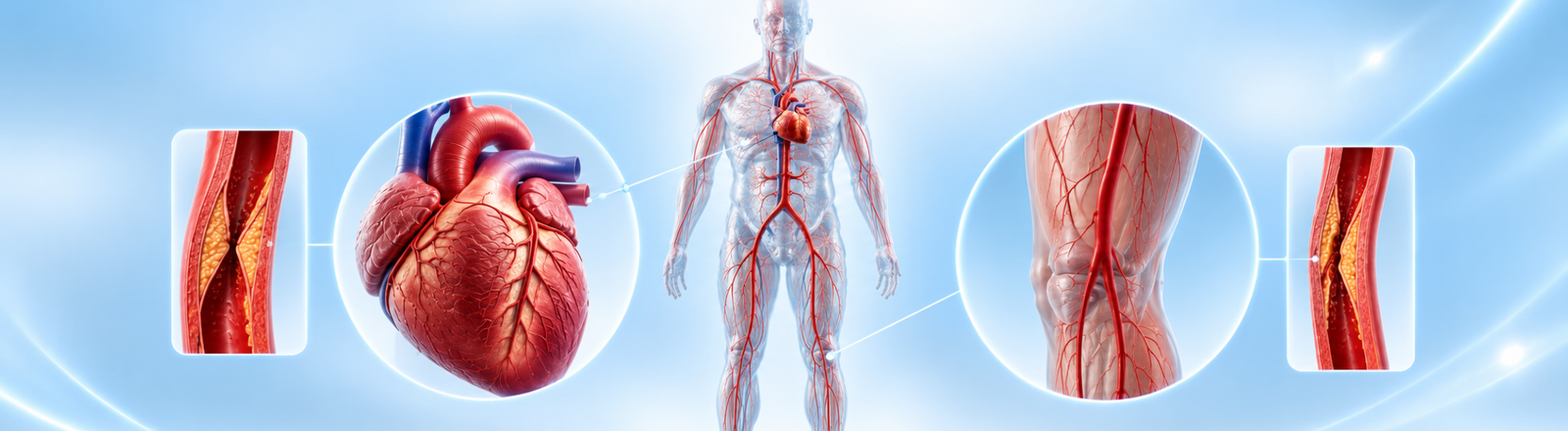 |
Having Peripheral Artery Disease significantly increases the risk of heart attack and stroke. The American Heart Association reports that people with PAD are two to four times more likely to have a heart attack or stroke compared to those without it. The reason is that PAD is a sign of systemic arterial disease throughout the body. If the arteries in the legs are narrowing, the arteries near the heart and brain are often doing the same thing.
This is why a vascular evaluation is not just about the legs. It is a window into the overall health of the arterial system.
Read Also: 5 Signs Your Circulation Is Getting Worse. And Why Most People Miss Them
Why Kern County Residents Face a Higher Risk
Peripheral Artery Disease does not affect everyone equally. The risk is significantly higher in people with diabetes, high blood pressure, high cholesterol, or a history of smoking.
Kern County has the highest diabetes mortality rate in the entire state of California. The CDC identifies diabetes as one of the strongest independent risk factors for PAD, increasing risk two to four times compared to the general population . The combination of high local diabetes rates, sedentary lifestyle patterns, and limited early access to specialist vascular care means PAD in this region is both more prevalent and more likely to go undetected until it is more advanced.
That is not a hopeless situation. It is an argument for earlier screening, which is exactly what Vascular Disease Awareness Month in September is designed to encourage.
Read Also: If You Have Diabetes, Your Legs Are at Greater Risk Than You Think
What Most People Do Not Know About PAD Symptoms
One of the reasons PAD goes undiagnosed so often is that its early symptoms are easy to dismiss. Leg cramping when walking that goes away with rest. Feet that feel cold. A cut that is taking longer than usual to heal.
These are the same symptoms listed under a dozen different explanations: aging, fitness, the weather. They can also be poor circulation from narrowed leg arteries. And the only way to know for certain is a simple non-invasive test. Conditions often seen alongside PAD include leg swelling, restless legs, skin discoloration, and lower extremity ulcers. Any of these are worth taking seriously.
What Treatment for PAD Looks Like at HVLC
 |
Dr. Vinod Kumar and his team at Heart Vascular & Leg Center use advanced minimally invasive techniques to diagnose and treat PAD. All procedures are office-based with no hospital admission required. Treatment options include angioplasty, atherectomy, and angiogram, depending on the severity and location of the arterial blockages.
A vascular test is the logical first step for anyone who wants to understand where their leg circulation stands. It is quick, painless, and provides a clear picture of arterial health below the knee.
September is Vascular Disease Awareness Month. Publishing this blog in late August means HVLC is already in the search results when that awareness moment begins. Your heart gets a lot of support from healthcare campaigns. It is time your leg arteries got the same attention.
|
Want to know how your leg circulation is doing? Take the free PAD Risk Assessment at heartandleg.com | Call 661-324-4100 | Bakersfield, CA |
Frequently Asked Questions
What is Peripheral Artery Disease and how is it different from heart disease?
Peripheral Artery Disease is the narrowing of arteries that supply blood to the legs, caused by the same build-up of fatty deposits that causes heart disease. The difference is location: heart disease affects the coronary arteries, PAD affects the leg arteries. Both conditions share the same risk factors and both significantly increase the risk of serious cardiovascular events.
What are the symptoms of Peripheral Artery Disease?
Common symptoms include leg cramping or heaviness during walking that clears with rest, cold or numb feet, slow-healing wounds on the feet or lower legs, and skin discoloration on the lower legs. Many people with early PAD have no symptoms at all, which is why screening is important for anyone with diabetes, high blood pressure, or a history of smoking.
Why does PAD increase the risk of heart attack and stroke?
Because PAD is a sign of systemic arterial disease throughout the body. If the leg arteries are narrowing, the same process is often occurring in the arteries near the heart and brain. People with PAD are two to four times more likely to have a cardiovascular event than someone without the condition.
How is PAD diagnosed?
The most common first test is an Ankle-Brachial Index, which compares blood pressure at the ankle and arm to assess how well blood is reaching the lower legs. It is painless, non-invasive, and takes only a few minutes. No hospital visit is required.
Where can I get a PAD check in Bakersfield?
Heart Vascular & Leg Center, located at 5020 Commerce Drive, Bakersfield, CA, offers non-invasive vascular testing and specialist PAD evaluation. Call 661-324-4100 or visit heartandleg.com to book an appointment with Dr. Vinod Kumar, MD, FACC.







Follow us on: