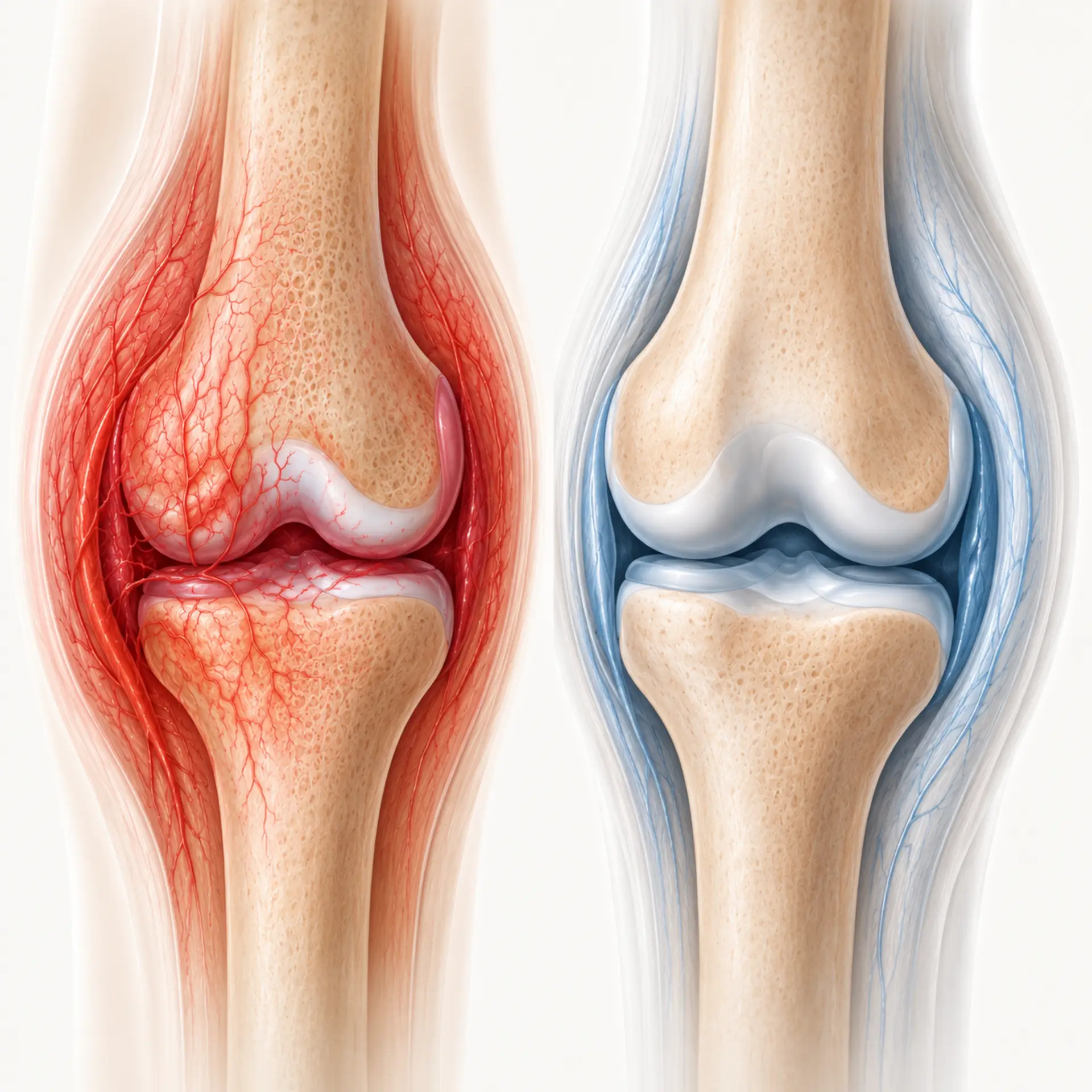
Chronic heel and foot pain isn’t always the result of overuse, reduced blood flow in the small vessels that support your foot tissues is often a major contributor. When circulation is limited, the plantar fascia and surrounding tendons don’t get the oxygen and nutrients they need to heal. This leads to persistent inflammation, stiffness, and worsening pain. Conditions such as diabetes, vascular disease, and even tight calf muscles can further restrict blood flow, making recovery even more difficult.
Over time, the affected tissue can become thickened and scarred, causing every step to feel painful. The PFE (Flantar Fasciitis Embolization) procedure offers an innovative solution by gently releasing the damaged tissue and improving localized circulation. This encourages the growth of healthy new blood vessels, allowing oxygen and nutrients to reach the area and support true healing.
As blood flow improves and the tissue regains flexibility, most patients experience significant pain relief, better mobility, and a quicker return to their normal activities.
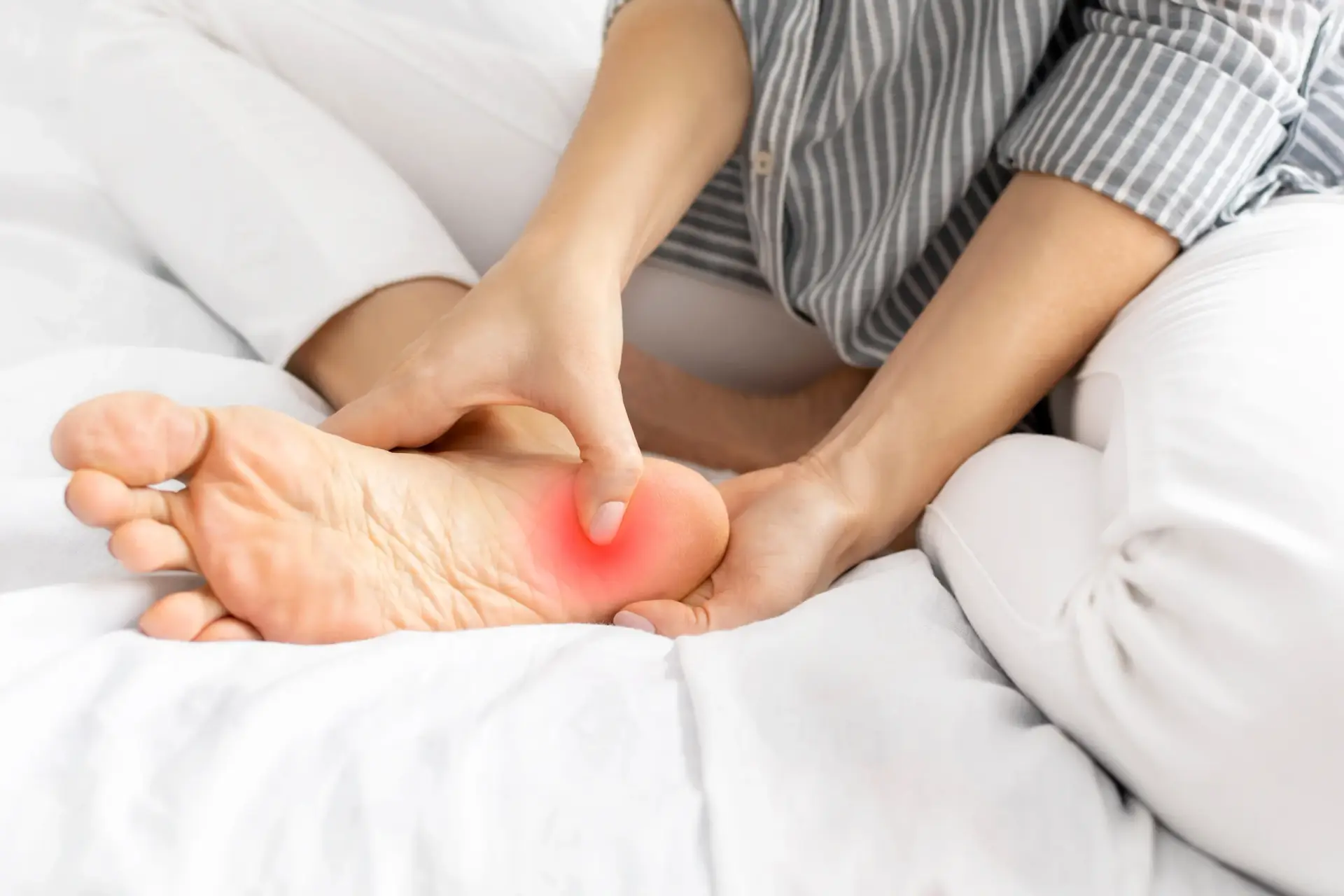
Chronic heel and foot pain can develop gradually or appear suddenly, and symptoms often worsen with activity or prolonged standing. Common signs include:
When poor circulation contributes to these symptoms, patients may also experience:
Recognizing these symptoms early is important, as chronic knee pain and osteoarthritis can be managed more effectively with timely treatment. If knee pain is limiting your daily activities, an evaluation can help identify the underlying cause and guide the right treatment plan.
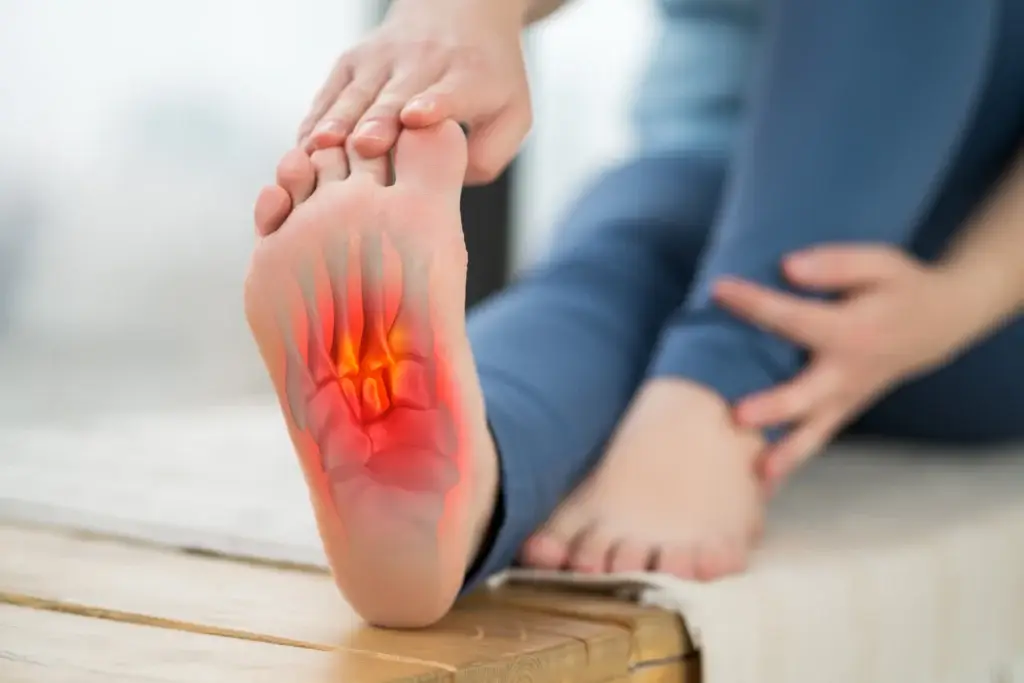
Chronic heel and foot pain can develop from a variety of conditions, ranging from overuse injuries to underlying vascular or nerve problems. Common causes include
Chronic heel and foot pain is often blamed on overuse, shoes, or biomechanics, but in many cases, reduced blood flow is a major contributor. The small arteries that supply oxygen and nutrients to the heel, plantar fascia, and surrounding tissues can become narrowed or inflamed. When this happens, the tissues don't receive the blood supply they need to heal, leading to ongoing pain and stiffness.
Poor circulation in the foot can:
This vascular link explains why some patients struggle with heel or foot pain for months—even after trying stretching, orthotics, medications, or injections. If the tissue isn’t receiving enough blood flow, conservative treatments may provide only temporary relief.
This connection is why chronic knee pain may not fully improve with traditional treatments like medications, injections, or physical therapy alone. When inflammation is coming from the blood vessels themselves, addressing the vascular component becomes essential.
Book your appointment with Heart Vascular & Leg Center
today for personalized care and advanced treatment.
At Heart, Vascular & Leg Center, treatment focuses on relieving pain, improving circulation, and restoring healthy tissue function. Depending on your condition, your personalized plan may include:
Most patients experience significant pain relief and improved mobility once the underlying cause is properly treated.
Book your appointment with Heart Vascular & Leg Center
today for personalized care and advanced treatment.




5020 Commerce Drive
Bakersfield, CA 93309
Struggling with PAD symptoms? Our specialists at Heart Vascular and Leg Center are here to help. Schedule an appointment today to see if Varithena is the right solution for you.
Hear from our patients about their experiences at Heart Vascular and Leg Center..





Stay informed with trusted insights on vascular health, PAD prevention, and advanced treatments.
Book your appointment with Heart Vascular & Leg Center
today for personalized care and advanced treatment.

Also visit:

Privacy Policy : No mobile information will be shared with third parties/affiliates for marketing/promotional purposes. All the above categories exclude text messaging originator opt-in data and consent; this information will not be shared with any third parties.
By providing your phone number, you agree to receive SMS updates from Heart Vascular and Leg Center. Message frequency varies. Message & data rates may apply. Text STOP to opt out , HELP for help.
© Copyright 2026 Vascular Health Partners LLC. All Rights Reserved
Designed & Managed By Crafted Studios