

Your Legs Are Trying to Tell You Something. Are You Listening?
 |
That ache in your legs when you walk to the car. The one that goes away once you sit down – and comes back the moment you start moving again.
Most people chalk it up to age. Bad shoes. A long day.
Sometimes that’s true. But sometimes, it’s your circulation sending you an early warning – and catching it early is what keeps your options open.
What Is PAD?
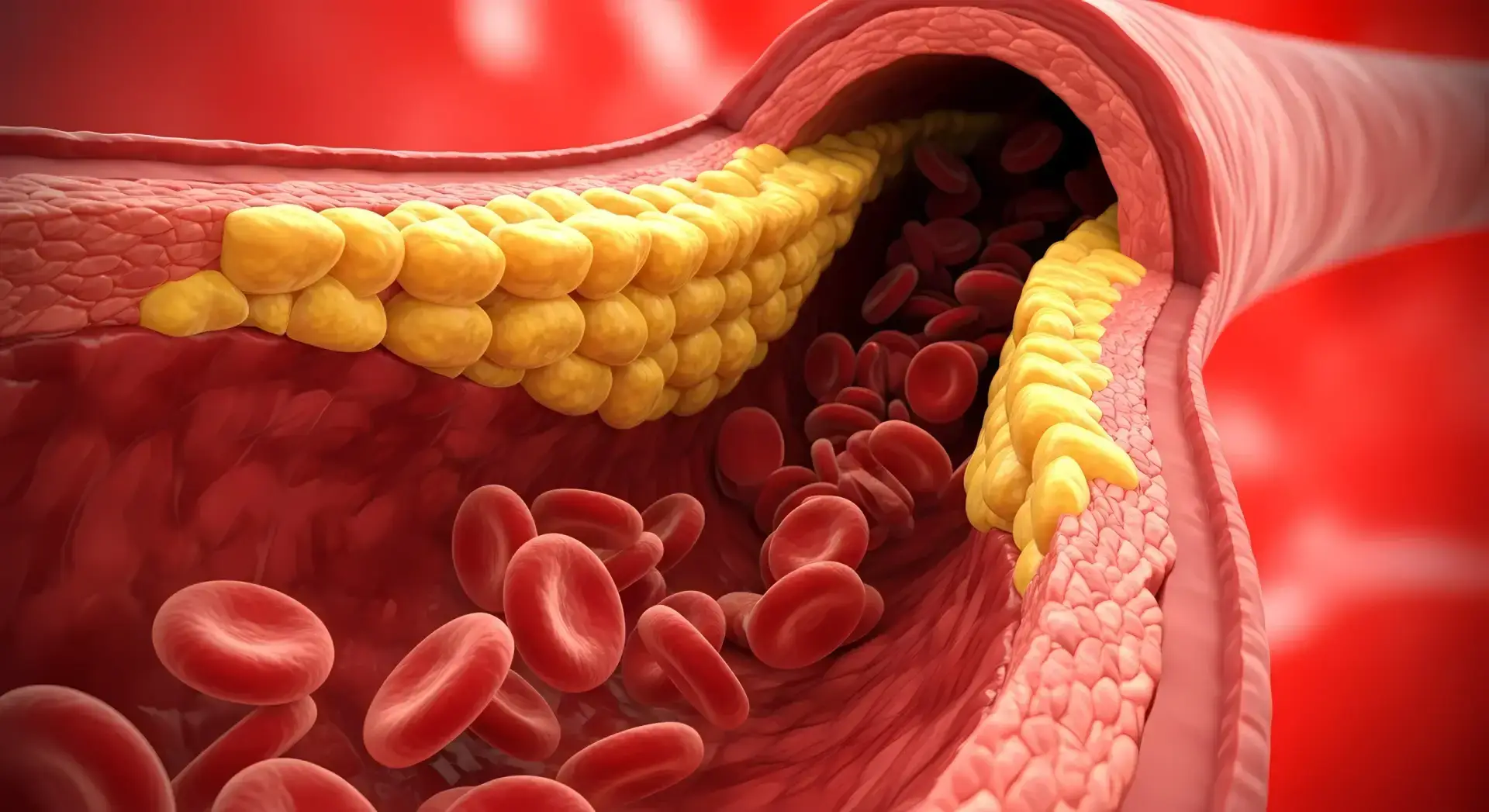
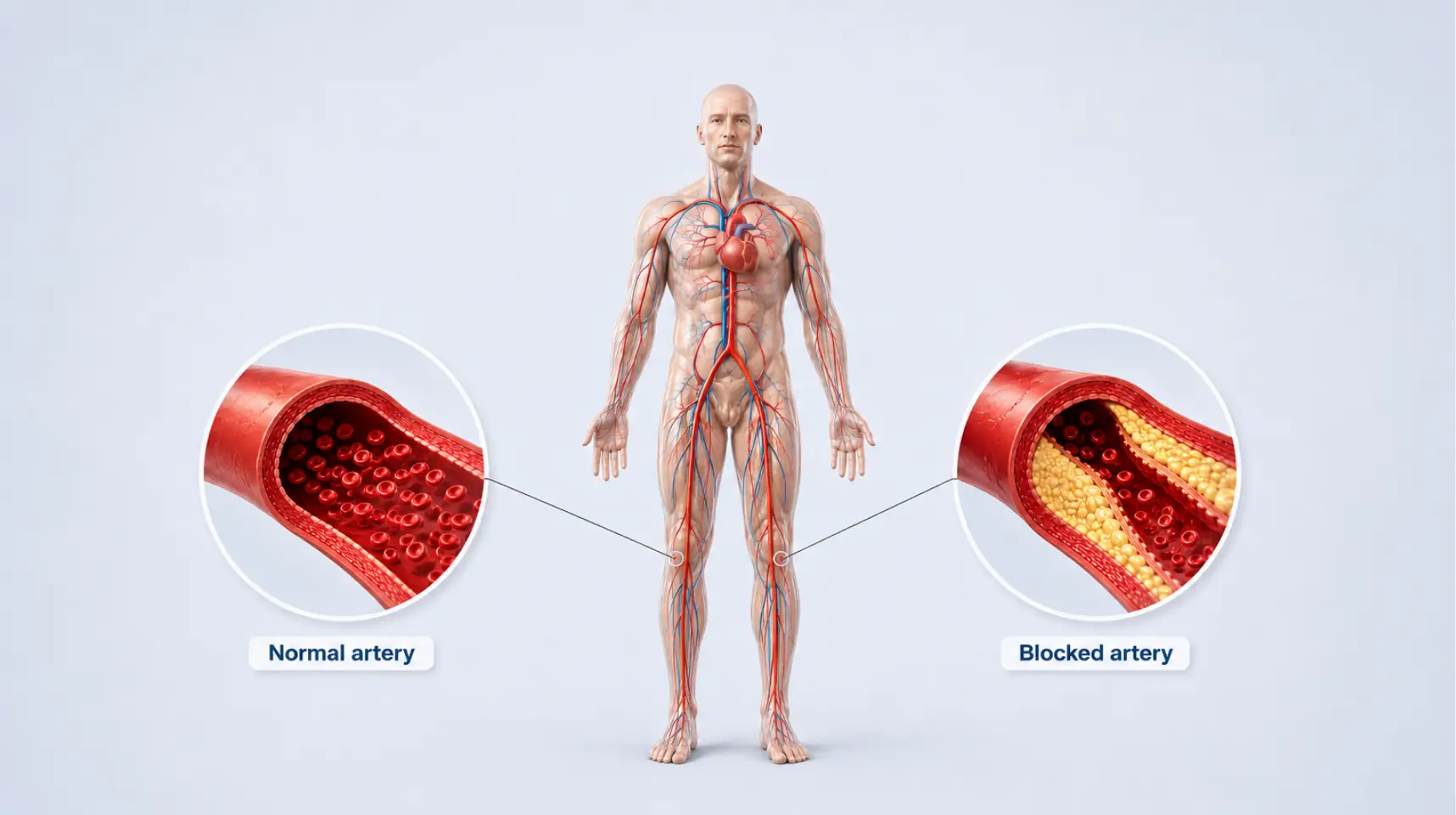
Peripheral Artery Disease (PAD) happens when the arteries that carry blood to your legs get narrowed by a build-up of fatty deposits. Your legs stop getting enough blood flow – especially when you’re active and need it most.
It’s not just a leg problem. PAD is a sign of arterial disease that can affect your whole body, including your heart and brain.
5 Signs Most People Ignore
Most people with high cholesterol have no symptoms from the cholesterol itself. They feel fine. But as plaque builds up in the leg arteries over years, symptoms start to appear that rarely get connected to a cholesterol problem.
Leg pain or cramping when walking that eases with rest (claudication) is one of the most common and most overlooked. Poor circulation in the lower legs, feet that feel persistently cold, skin discoloration on the lower legs, and slow-healing wounds on the feet are all potential signs that arterial narrowing has reached the leg arteries.
The challenge is that these symptoms develop so gradually that most people adapt to them rather than investigate them. By the time they become hard to ignore, the arterial narrowing is often already significant.
Read Also: 5 Signs Your Circulation Is Getting Worse. And Why Most People Miss Them
Who Is Most at Risk?
PAD is more common than most people realise. You’re at higher risk if you:
- Diabetes (Kern County has one of the highest diabetes rates in California)
- Smoking (now or in the past)
- High blood pressure or high cholesterol
- Age over 50
- Family history of heart or artery disease
Why Early Detection Matters
PAD often develops quietly. By the time the pain is hard to ignore, the condition may already be quite advanced.
When caught early, treatment is usually minimally invasive – often a same-day procedure, no hospital stay required. The earlier you know, the more you can do.
|
At Heart Vascular & Leg Center in Bakersfield, Dr. Vinod Kumar and his team specialise in diagnosing and treating PAD using advanced, minimally invasive techniques.
No hospital. No lengthy recovery. Many patients are seen and treated the same day.
The goal is simple: restore healthy blood flow before the condition gets harder to treat.
What a Vascular Evaluation Can Tell You
A standard lipid panel tells you your cholesterol levels. It does not tell you what has already happened to your artery walls. A vascular evaluation at Heart Vascular and Leg Center adds that second piece. An Ankle-Brachial Index test measures the actual blood flow reaching the lower legs, giving a direct picture of arterial health below the knee.
If narrowing is identified, Dr. Vinod Kumar and his team offer the full range of minimally invasive treatment options to restore blood flow, including angioplasty and atherectomy. All office-based, same-day procedures.
National Cholesterol Education Month is a good time to ask the follow-up question that most cholesterol conversations miss: what are my leg arteries actually doing?
Frequently Asked Questions
Can high cholesterol cause leg pain?
Yes, indirectly. High cholesterol contributes to atherosclerosis, the buildup of plaque in artery walls, which can narrow the arteries supplying the legs. This restricts blood flow and can cause leg pain when walking, a symptom called claudication. Other signs include cold feet, skin changes on the lower legs, and slow-healing wounds. These symptoms are often not connected to cholesterol by patients or their primary care providers.
What is the link between high cholesterol and Peripheral Artery Disease?
Atherosclerosis, driven by high LDL cholesterol, affects arteries throughout the body including the legs. When plaque builds up in the peripheral arteries supplying the lower extremities, the condition is called Peripheral Artery Disease. The mechanism is identical to the process that causes coronary artery disease near the heart, and the two conditions frequently occur together in the same patient.
If my cholesterol is now under control, are my leg arteries safe?
Not necessarily. Managing cholesterol slows the progression of atherosclerosis but does not reverse existing plaque buildup. Arteries that were narrowed by years of high cholesterol do not automatically clear when levels normalize. Patients with a history of high cholesterol, particularly if it was elevated for a long time before treatment, should have their leg arteries evaluated directly rather than assuming the risk has passed.
How is Peripheral Artery Disease diagnosed?
The most common first test is an Ankle-Brachial Index, which compares blood pressure at the ankle and the arm to assess how well blood is reaching the lower legs. It is painless, non-invasive, and takes only a few minutes. No hospital visit is required. Heart Vascular and Leg Center in Bakersfield offers this test as part of a vascular evaluation.
Where can I get a cholesterol-related vascular evaluation in Bakersfield?
Heart Vascular and Leg Center, 5020 Commerce Drive, Bakersfield, CA, offers comprehensive vascular evaluation including Ankle-Brachial Index testing for patients with high cholesterol or other PAD risk factors. Call 661-324-4100 or visit heartandleg.com to book an appointment with Dr. Vinod Kumar, MD, FACC.





Follow us on: