

5 Signs Your Circulation Is Getting Worse. And Why Most People Miss Them Until It Is Too Late
 |
The problem with declining circulation is that it does not announce itself.
It creeps in slowly, borrowing symptoms that are easy to explain away. Tired legs become “I have been on my feet all day.” Cold feet become “I just run cold.” A wound that is not healing becomes “it will sort itself out.”
By the time most people realise something is actually wrong, the circulation has been compromised for a long time. Peripheral Artery Disease alone affects an estimated 12 million Americans ↗, and many of them do not know they have it. These five signs are the ones a vascular specialist sees dismissed most often.
Sign 1: Your Legs Feel Heavy or Tired After Short Distances
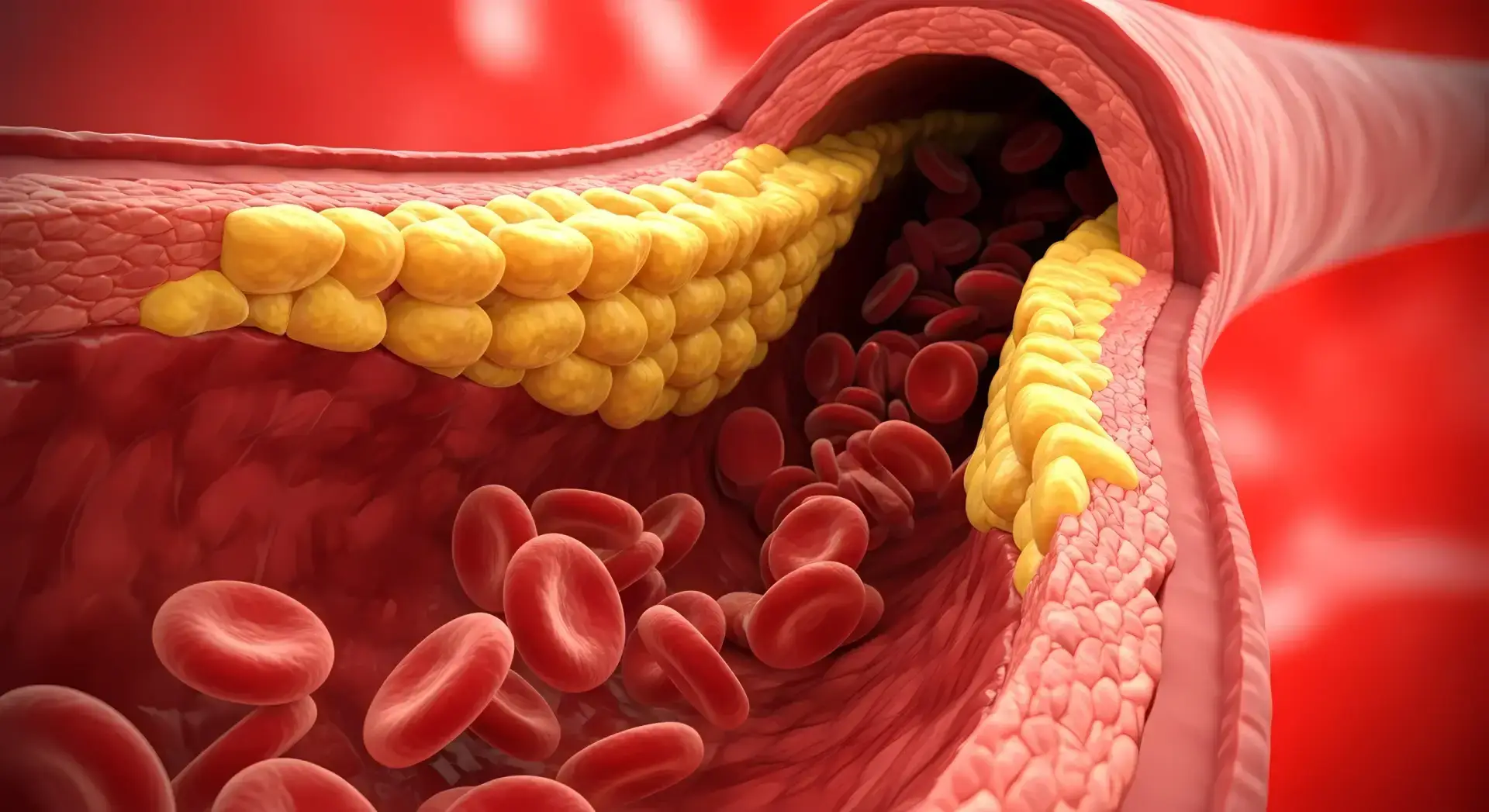
There is a difference between being out of shape and having circulation that is struggling. When the arteries carrying blood to your legs are narrowed, your muscles do not get enough oxygen during activity. The result is a heavy, tired, cramping sensation that stops you mid-walk and clears up once you rest. This pattern is called claudication and is a hallmark symptom of Peripheral Artery Disease ↗, one of the most consistently overlooked warning signs.
The difference worth knowing: poor fitness improves gradually as you do more. Claudication stays roughly the same regardless of how much walking you do.
Read Also: PAD Symptoms: What Your Leg Pain Might Be Telling You
Sign 2: Your Feet Feel Cold Even When the Rest of You Is Fine
When blood flow to the extremities is reduced, the feet are often the first place to show it. If your feet feel noticeably colder than the rest of your body on a regular basis, particularly one foot more than the other, it can be a sign of poor circulation that warrants a proper check.
One-sided coldness is particularly significant. Healthy arteries supply both legs roughly equally. When one side is measurably colder, it often points to a blockage on that side.
Sign 3: A Wound on Your Foot or Lower Leg That Will Not Heal
This one matters more than almost any other sign on this list.
A cut or sore that takes more than two to three weeks to heal is not normal. The CDC identifies non-healing wounds as one of the key complications of both diabetes and peripheral vascular disease ↗. Healthy tissue needs blood flow to repair itself. When circulation is compromised, wounds stall. They do not necessarily get infected, they just do not close. This is particularly important for diabetic patients, but it can happen to anyone with reduced circulation or lower extremity ulcers.
A slow-healing wound is one of the clearest signals that blood flow to that area is not adequate. It is not something to wait on.
Read Also: If You Have Diabetes, Your Legs Are at Greater Risk Than You Think
Sign 4: Changes in the Skin on Your Lower Legs
Skin discoloration on the lower legs, shiny, pale, or darkening patches, is a visible sign that the tissue is not receiving adequate blood supply. Hair loss on the lower legs and thickened toenails are also markers that the tissue is not getting what it needs. These are not cosmetic issues. They are circulation issues showing up on the surface.
Sign 5: Leg Swelling That Keeps Getting Worse
Leg swelling that is progressive, persistent, and not explained by something obvious, like a recent injury or a long flight, can indicate that venous or arterial circulation in the legs is under stress. Swelling that is worse at the end of the day, that leaves an indent when you press it, or that is gradually increasing over weeks is worth investigating properly.
What Happens If You Wait
Vascular conditions do not improve on their own. The American Heart Association notes that untreated PAD can progress to chronic limb-threatening ischemia (CLTI), a severe stage where blood flow is critically restricted, or in sudden cases, acute limb ischemia (ALI). Early-stage PAD can often be treated with a minimally invasive same-day procedure. Advanced PAD involves much more complex decisions. Catching it early is what keeps the options manageable.
What a Vascular Check Involves at HVLC
At Heart Vascular & Leg Center, a vascular check starts with a simple non-invasive test called an Ankle-Brachial Index. It compares blood pressure at the ankle and arm to assess how well blood is flowing to the legs. No needles, no hospital visit. It takes a few minutes. Read more about vascular testing here.
If circulation issues are found, the HVLC team offers a full range of minimally invasive treatments including angioplasty, atherectomy, and angiogram. All office-based, no hospital stay.
If you recognise any of the five signs above, do not wait for them to get worse.
|
Concerned about your leg circulation? Take the free PAD Risk Assessment at heartandleg.com | Call 661-324-4100 | Bakersfield, CA |
Frequently Asked Questions
What are the early signs of poor circulation in the legs?
The most common early signs include leg cramping or heaviness when walking that clears with rest, cold feet particularly if one side is colder than the other, slow-healing wounds on the feet or lower legs, skin discoloration or texture changes on the lower legs, and progressive leg swelling. Any of these in someone with diabetes, high blood pressure, or a smoking history warrants a vascular evaluation.
How do I know if my leg pain is poor circulation or something else?
The most telling pattern for circulation-related leg pain is that it comes on during activity and relieves quickly when you stop and rest. This is called claudication and is a key symptom of Peripheral Artery Disease. A simple non-invasive test called an Ankle-Brachial Index can confirm whether PAD is present.
Is a slow-healing wound on my foot always a circulation problem?
Not always, but it is one of the most consistent warning signs of compromised circulation, particularly in diabetic patients. When blood flow is reduced, tissue cannot repair itself properly. A wound that has not shown meaningful healing within two to three weeks should be assessed by a vascular specialist.
What does a vascular check involve at Heart Vascular and Leg Center?
A vascular check typically starts with an Ankle-Brachial Index test, which compares blood pressure at the ankle and arm to measure how well blood is reaching the lower legs. It is painless, non-invasive, and takes only a few minutes. No hospital visit is required.
Where can I get my circulation checked in Bakersfield?
Heart Vascular & Leg Center, located at 5020 Commerce Drive, Bakersfield, CA, offers non-invasive vascular testing and PAD evaluation. Call 661-324-4100 or visit heartandleg.com to book an appointment with Dr. Vinod Kumar, MD, FACC.






Follow us on: