Venous Ultrasound

A venous ultrasound is a safe, painless test that evaluates the veins, most often in the legs. It helps your provider see how blood is flowing back to the heart and whether the veins and valves are working properly.

This test may be used to:

  • Check for blood clots (deep vein thrombosis or DVT)
  • Evaluate varicose veins
  • Identify venous reflux (blood flowing the wrong direction)
  • Investigate leg swelling, pain, heaviness, or skin changes
  • Help plan treatment for venous disease
  • You lie comfortably on an exam table
  • A small ultrasound probe is moved over the skin with warm gel
  • Gentle pressure may be applied to assess vein function
  • The test usually takes 30–45 minutes

No. You may feel mild pressure, but the test is non-invasive and painless.

Arterial Ultrasound

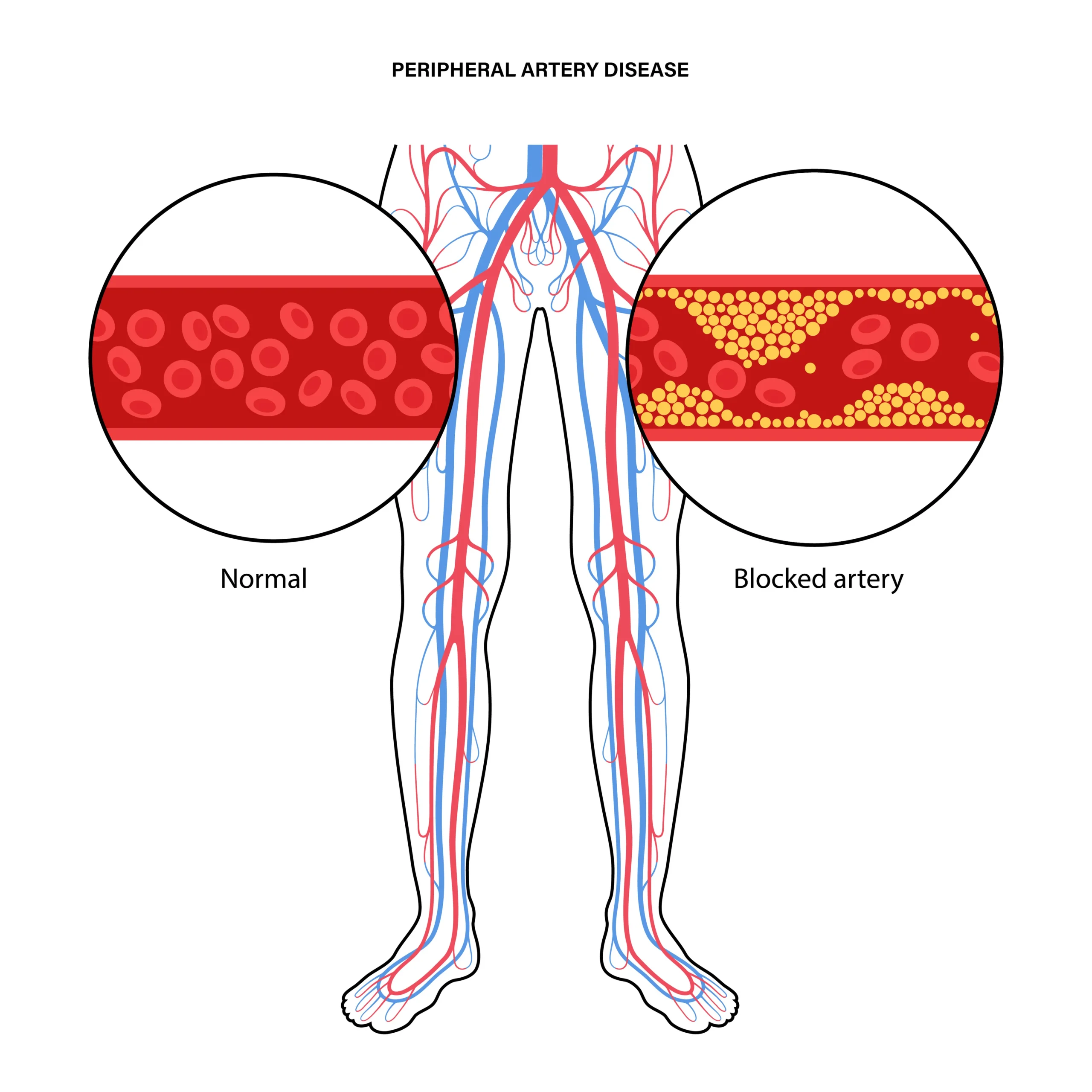
An arterial ultrasound evaluates the arteries, which carry oxygen-rich blood from the heart to the body. It helps detect narrowed or blocked arteries that may reduce blood flow.

This test may be ordered to:

  • Check for peripheral artery disease (PAD)
  • Evaluate leg pain with walking (claudication)
  • Assess poor wound healing or ulcers
  • Identify arterial blockages or narrowing
  • Monitor known arterial disease or prior procedures
  • You lie still while a technician uses an ultrasound probe on the skin
  • Blood flow sounds may be heard through the machine
  • The test typically takes 30–60 minutes

 No. An arterial ultrasound is painless and non-invasive, with no needles or radiation.

Ankle-Brachial Index (ABI)

An ABI test, or Ankle-Brachial Index, is a simple, non-invasive test that checks how well blood is flowing to your legs. It compares the blood pressure in your ankles to the blood pressure in your arms to screen for peripheral artery disease (PAD).

An ABI test may be ordered to:

  • Screen for peripheral artery disease (PAD)
  • Evaluate leg pain, cramping, or fatigue with walking
  • Investigate non-healing wounds or ulcers
  • Assess risk for circulation problems
  • Monitor known arterial disease
  • You lie flat and rest briefly before the test
  • Blood pressure cuffs are placed on your arms and ankles
  • A handheld Doppler device measures blood flow
  • The test usually takes 10–15 minutes


No. You may feel brief pressure from the cuffs, but the test is painless and does not involve needles or radiation.

  • Normal ABI suggests healthy blood flow to the legs
  • Low ABI may indicate narrowed or blocked arteries
  • Your provider will explain your results and whether additional testing or treatment is needed

Results are often available the same day and will be reviewed with you by your HVLC  provider.

Patient Stories and Testimonials

Hear from our patients about their experiences at Heart Vascular.

Expert Vascular Care Tips

Stay informed with trusted insights on vascular health, PAD prevention, and advanced treatments.

Schedule an Appointment

Book your appointment with Heart Vascular & Leg Center
today for personalized care and advanced treatment.