A new year often brings renewed focus on health—eating better, moving more, and staying ahead of potential problems before they become serious. One area that’s frequently overlooked is circulation, particularly in the legs. That’s where Peripheral Artery Disease (PAD) comes in.
PAD is common, underdiagnosed, and progressive—but when caught early, it’s highly manageable. A New Year screening can make a meaningful difference for your long-term mobility and quality of life.
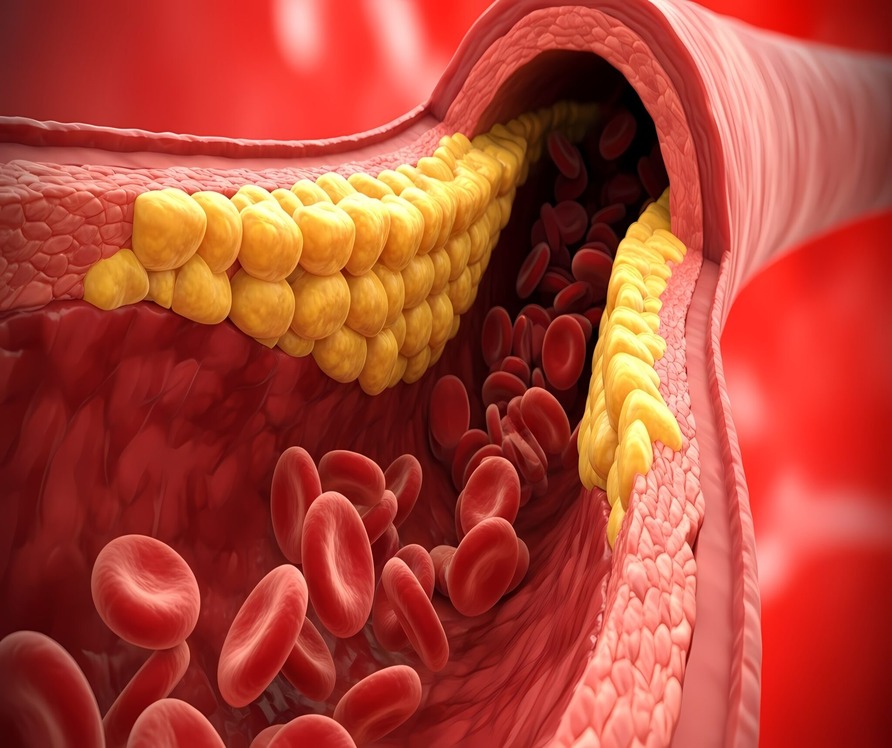
Peripheral Artery Disease occurs when plaque builds up in the arteries that supply blood to the legs and feet. Over time, this narrowing reduces blood flow, making it harder for oxygen and nutrients to reach the muscles and skin.
Many people assume leg discomfort is just part of aging or arthritis, but PAD is a vascular condition, not a joint or muscle problem.
Why PAD Often Goes Undetected
PAD doesn’t always announce itself clearly. In fact:
Because PAD can progress silently, screening is essential—especially if you have risk factors.
Signs & Symptoms to Watch For
You may benefit from a PAD screening if you notice:
Even mild or occasional symptoms are worth evaluating.
PAD screening is especially important if you:
If you check even one of these boxes, a screening can provide valuable insight.
What Does a PAD Screening Involve?
PAD screening is simple, quick, and non-invasive. It may include:
There are no needles, no downtime, and no recovery period.
PAD is not just about leg pain—it’s linked to overall cardiovascular health. Identifying circulation problems early can:
Think of PAD screening as preventive care for your mobility.
This year, don’t just focus on numbers on a scale or steps on a tracker. Pay attention to how well blood is flowing where it matters most—your legs.
If you’ve noticed symptoms, have risk factors, or simply want peace of mind, a PAD screening is a smart place to start.
Strong circulation supports an active, independent life—this year and beyond.

Also visit:

