Diabetic Foot Checks After Holiday Travel: Why They Matter More Than You Think

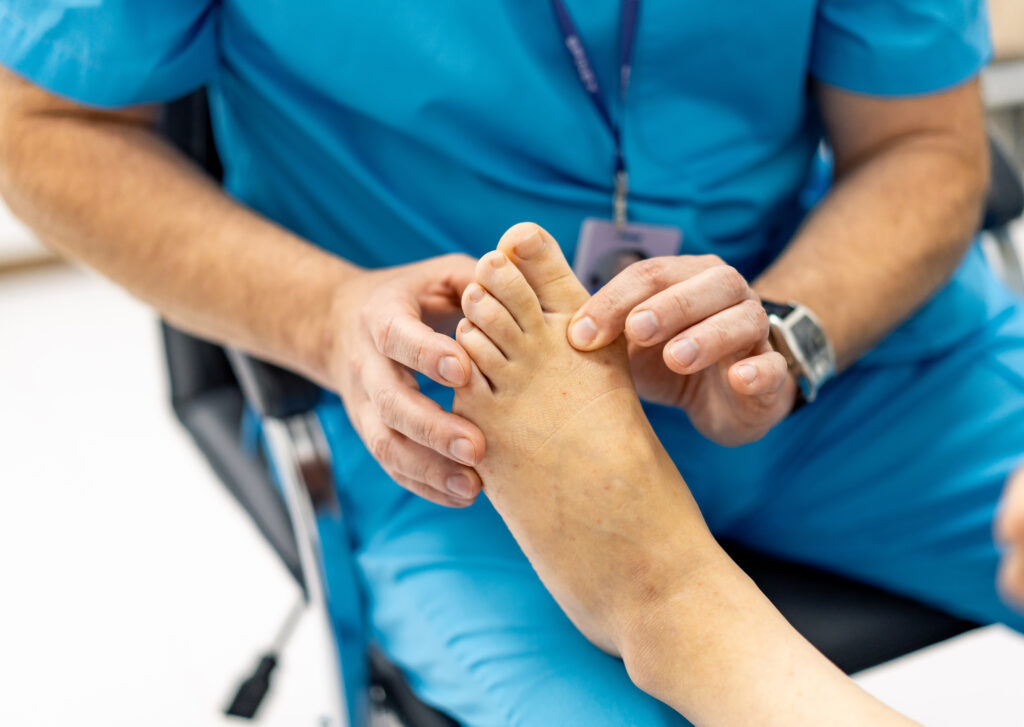
Patient orthopedic treatment. Medical checking feet healthcare.

Holiday travel often means long car rides, flights, new shoes, busy schedules, and less time for routine self-care. For people living with diabetes, these changes can quietly increase the risk of foot problems—many of which go unnoticed until they become serious.

That’s why post-holiday foot checks are essential, not optional.


Why Travel Increases Foot Risk for People With Diabetes

During travel, several factors can affect foot health:

  • Prolonged sitting during flights or car rides reduces circulation

  • Increased walking on hard surfaces can cause pressure points

  • New or tight shoes may create friction or blisters

  • Swelling from travel can change how shoes fit

  • Reduced sensation may prevent you from noticing injuries

Even minor issues can escalate quickly when diabetes and circulation challenges are involved.


Common Foot Problems After Travel

After the holidays, patients often discover:

  • Blisters or calluses

  • Redness or irritation

  • Cracks in dry skin

  • Ingrown toenails

  • Swelling in the feet or ankles

  • Small cuts or sores they didn’t feel happen

Because diabetes can reduce sensation and slow healing, these issues may progress without pain—making visual checks critical.


How to Perform a Post-Holiday Diabetic Foot Check

Set aside just a few minutes and inspect both feet daily, especially after travel.

What to look for:

  • Cuts, blisters, or open areas

  • Redness, warmth, or swelling

  • Changes in skin color or texture

  • Cracks around the heels

  • Thickened calluses or corns

  • Toenail changes or infections

Use a mirror or ask for help if you have trouble seeing the bottoms of your feet.


Warning Signs That Need Medical Attention

Contact a healthcare provider promptly if you notice:

  • A sore that isn’t healing

  • Increasing redness or swelling

  • Drainage or odor

  • Skin that feels unusually warm

  • Blackened or blue discoloration

  • Pain or cramping in the feet or calves

Early evaluation can prevent infection, ulcers, and more serious complications.


Circulation Matters More Than You Realize

Diabetes often affects both nerves and blood vessels. Reduced circulation means less oxygen reaches the tissues, making healing slower and infections more likely.

Foot issues are often the first visible sign that circulation may be compromised—especially after stressors like travel.


Simple Habits to Protect Your Feet Going Forward

  • Inspect feet daily

  • Keep skin clean, dry, and moisturized (avoid between toes)

  • Wear properly fitted shoes and socks

  • Avoid walking barefoot, even at home

  • Manage blood sugar closely

  • Stay active to support circulation

Consistency is key—small daily habits make a big difference.


Start the New Year With Healthy Feet

The holidays may be over, but their impact on your feet can linger. A quick post-travel foot check can catch problems early, protect circulation, and help you stay active and independent.

When it comes to diabetic foot health, early attention saves limbs, mobility, and peace of mind.


Search

Categories

Share Post