 |
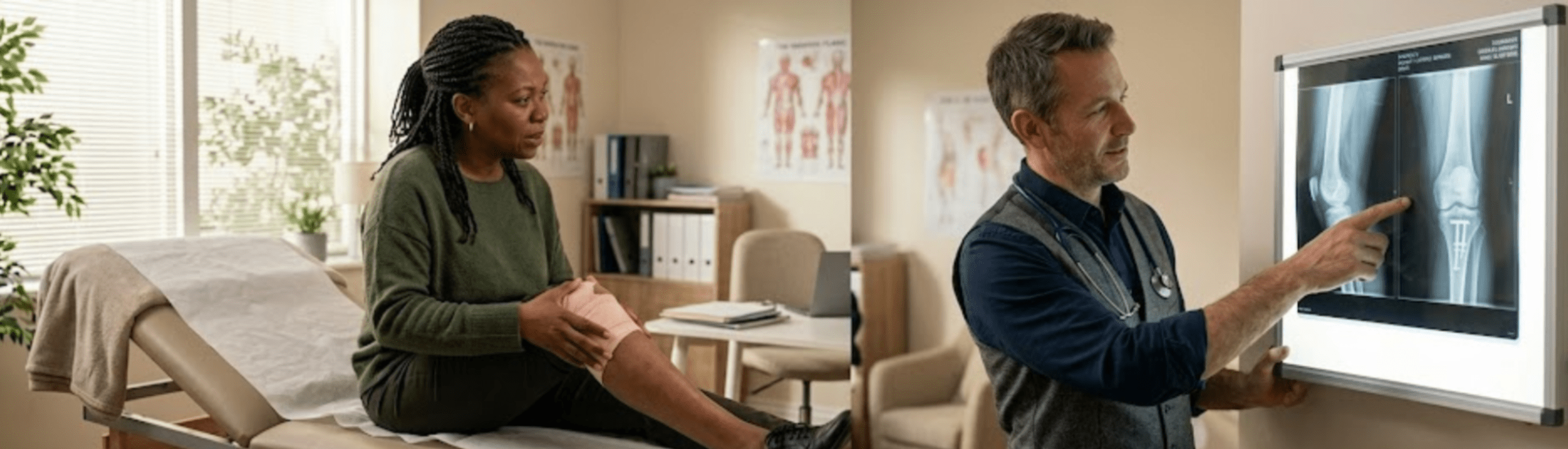
Knee pain is one of those things people learn to live with. They slow down. They stop doing things they love. They assume it’s just part of getting older.
And then someone tells them: surgery is the next step.
That’s a big decision. And for many patients, it doesn’t have to be the first one.
Most people assume knee pain is purely about worn-down cartilage. And while cartilage loss is real, it’s not the whole story.
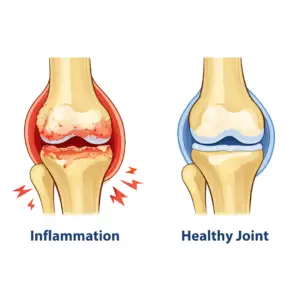
Inflammation plays a much bigger role than most patients are told. It’s why some people with mild wear on their X-rays are in serious pain – while others with significant structural damage barely feel it.
When inflammation is left unaddressed, it keeps driving pain – even when the structural damage hasn’t changed. This is closely connected to how poor circulation affects joint tissue, reducing the oxygen and nutrients the knee needs to repair itself.
Read Also: Poor Circulation: Symptoms, Causes, and When to See a Specialist
 |
By addressing the inflammation at its source, some patients experience meaningful relief without going into surgery.
This technique has been studied and used internationally and is now available right here in Bakersfield through Dr. Vinod Kumar and the team at Heart Vascular & Leg Center.
Read Also: Don’t Let Knee Pain Control Your Life: How GAE Can Help
We want to be straightforward about this, because honesty matters when it comes to your health:
The goal isn’t to replace surgery for everyone. It’s to make sure you’ve fully explored your options before committing to it.
Read Also: Why Minimally Invasive Vascular Care Is Central to Our Mission
The GAE procedure is typically considered for patients who meet specific criteria. It may be a conversation worth having if you:
Read Also: Chronic Knee Pain and Osteoarthritis — Symptoms & Treatment Options
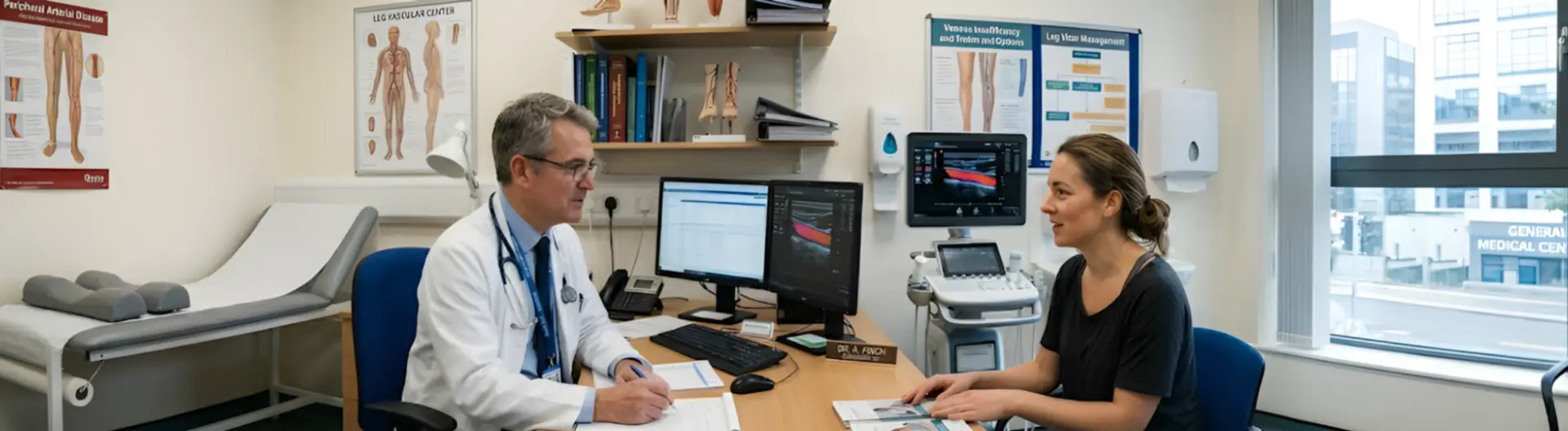 |
Dr. Vinod Kumar is an Interventional Cardiologist trained at UCLA and Baylor under Dr. Michael DeBakey. He brings internationally studied vascular techniques to patients in Kern County who would otherwise have to travel to a major medical center for this level of care. View his full profile and meet the full HVLC specialist team.
The GAE procedure is performed as a same-day, office-based procedure – no hospital admission, no general anesthesia, and a significantly shorter recovery compared to knee replacement surgery. It sits alongside other minimally invasive options HVLC offers, including angioplasty and atherectomy for related vascular conditions.
If you’ve been living with chronic knee pain, the first step is a conversation – not a commitment to anything.
What is Genicular Artery Embolization (GAE) and how does it work for knee pain?
GAE is a minimally invasive procedure that targets abnormal blood vessels that develop around inflamed knee joint tissue.
These vessels are associated with chronic pain in arthritic knees.
During the procedure, a specialist uses image guidance to access these vessels and reduce their blood flow. This can help decrease inflammation and relieve pain.
It is performed through a tiny entry point – no large incisions or general anesthesia and patients typically go home the same day.
Is GAE a replacement for knee replacement surgery?
Not for everyone. GAE is not a cure for arthritis and does not rebuild worn cartilage. However, for certain patients – particularly those who are not strong surgical candidates or who want to explore alternatives before committing to surgery – it may offer meaningful pain relief and help delay or avoid a major procedure. A consultation with a vascular specialist is needed to determine whether GAE is appropriate for your specific situation.
How do I know if I’m a candidate for this procedure?
The best way to find out is through a consultation. Generally, candidates are patients with moderate to severe knee osteoarthritis pain who have not found lasting relief from conservative treatments like physical therapy, cortisone injections, or anti-inflammatory medications. Patients who are not good surgical candidates due to diabetes, cardiovascular conditions, or body weight may also be evaluated for GAE. Dr. Kumar’s team at Heart Vascular & Leg Center will review your history and imaging before making any recommendation.
What is the recovery like compared to knee replacement surgery?
Recovery from GAE is significantly shorter than from knee replacement surgery. Most patients go home the same day and can return to normal daily activities within a short period. Knee replacement surgery, by contrast, typically involves a hospital stay, several weeks of limited mobility, and months of rehabilitation. Because GAE is minimally invasive, it carries a much lower risk of surgical complications.
Where is this procedure available in Bakersfield?
GAE for chronic knee pain is available at Heart Vascular & Leg Center, located at 5020 Commerce Drive, Bakersfield, CA. The procedure is performed by Dr. Vinod Kumar, an Interventional Cardiologist with over 30 years of experience in vascular medicine. To book a consultation, call 661-324-4100 or visit heartandleg.com.
Book a knee pain consultation at heartandleg.com Call 661-324-4100 | Available in Bakersfield, CA | Same-day appointments may be available |