- Chronic Venous Insufficiency – CVI
VenaSeal™
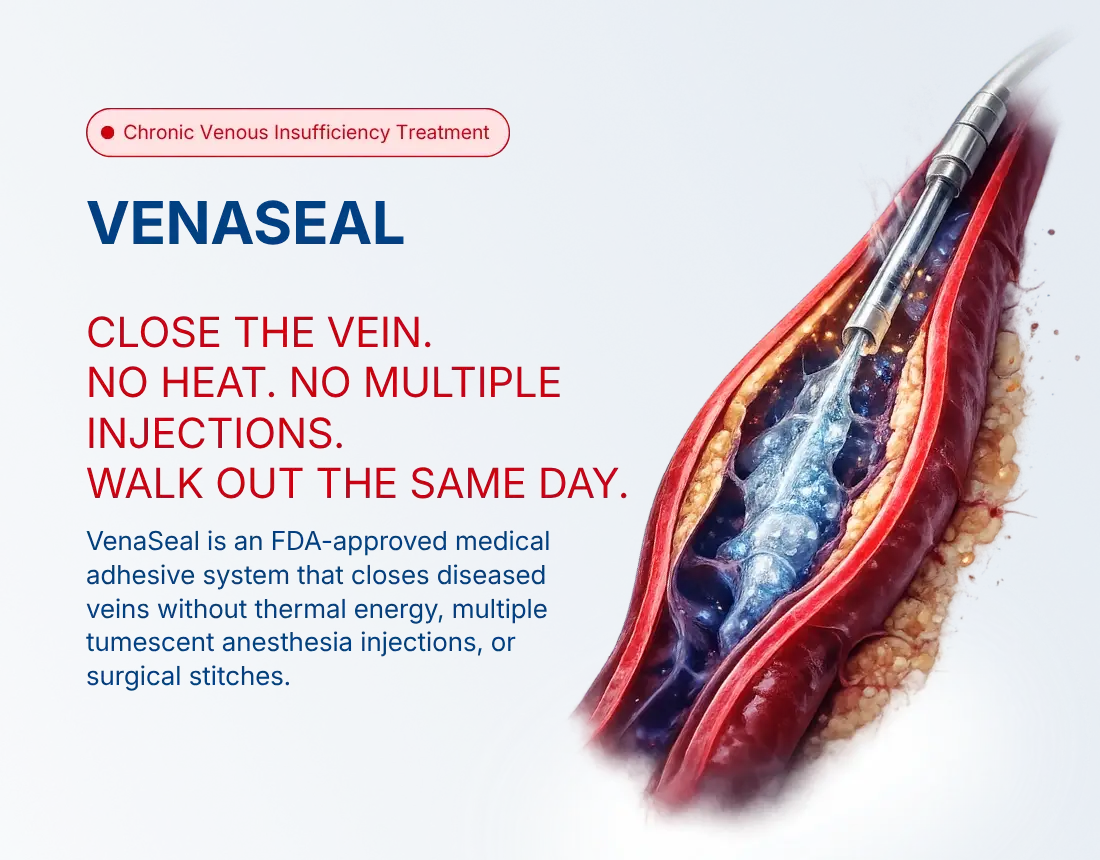
CLOSE THE VEIN. NO HEAT. NO MULTIPLE INJECTIONS. WALK OUT THE SAME DAY.
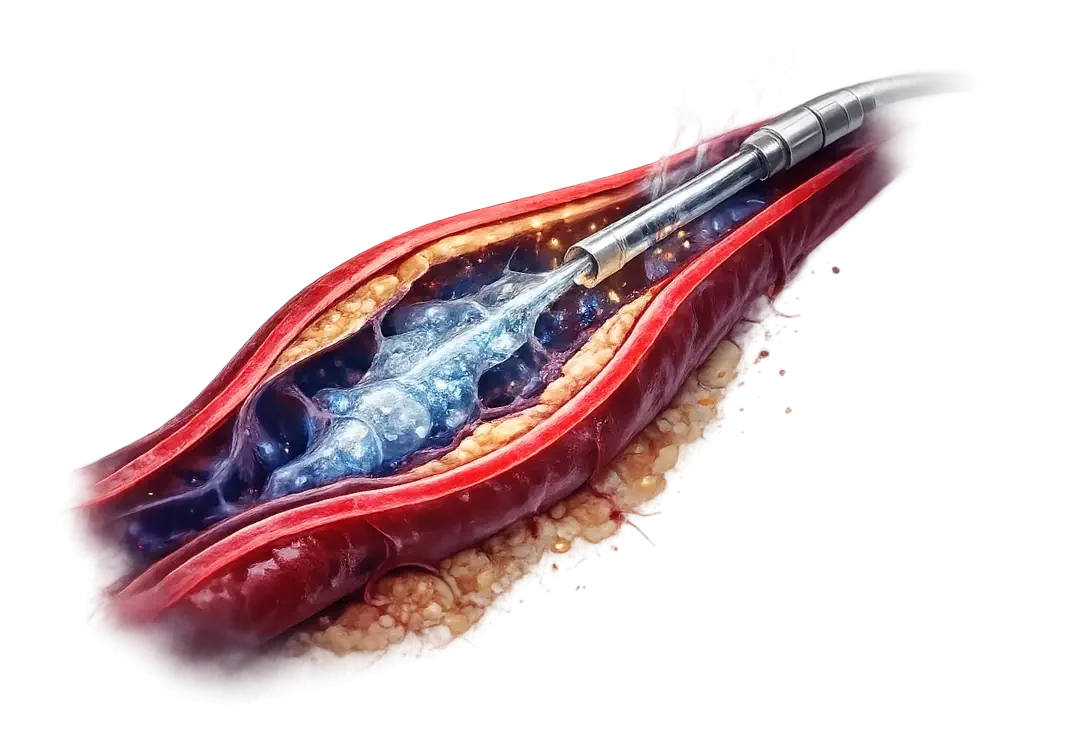
VenaSeal is an FDA-approved medical adhesive system that closes diseased veins without thermal energy, multiple tumescent anesthesia injections, or surgical stitches.
HOW IT WORKS
VenaSeal in 4 Simple Steps
No heat or multiple tumescent anesthesia injections are usually required. Treatment is performed through one catheter access point and generally takes 30 to 45 minutes.
01
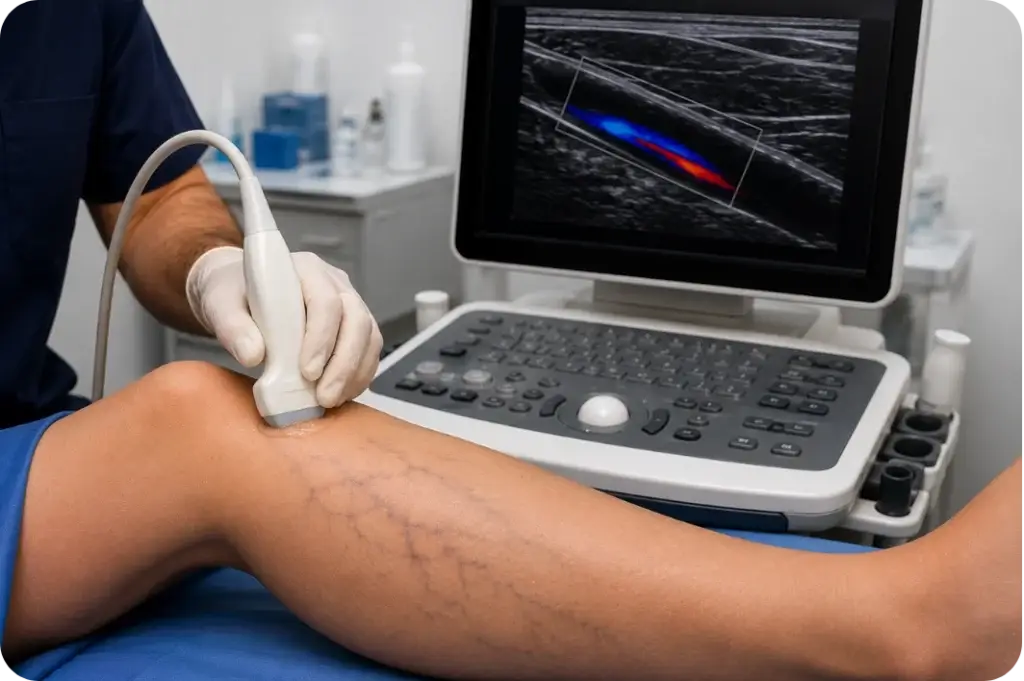
Ultrasound Mapping
A duplex ultrasound scan maps the affected vein and guides precise catheter placement.
02
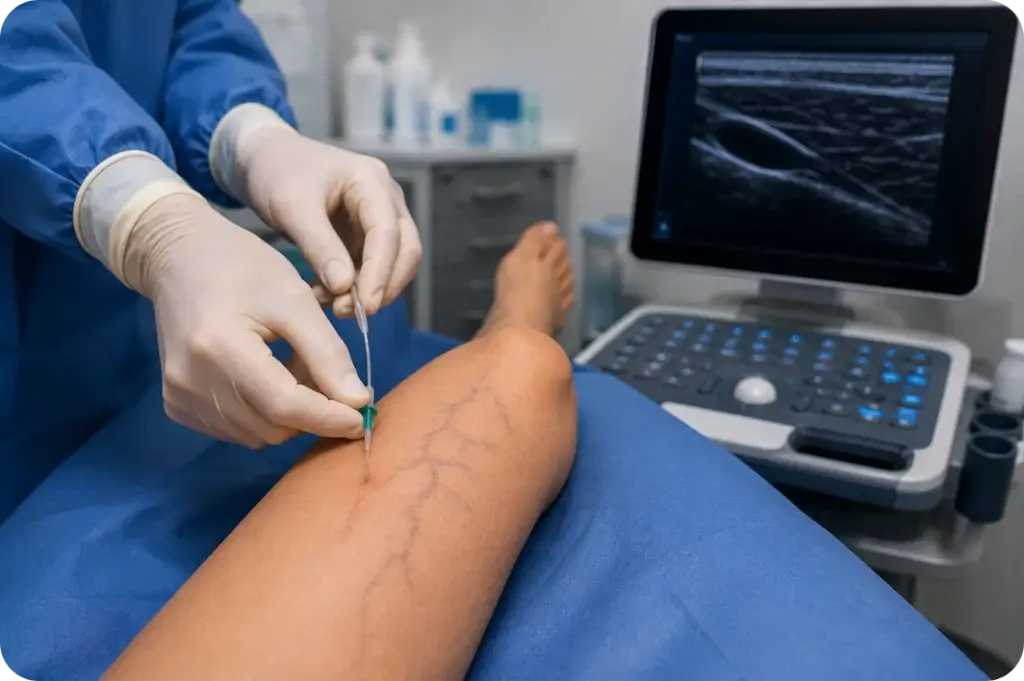
Catheter Placement
The access area is numbed, and a small catheter is guided into the vein using live ultrasound imaging.
03
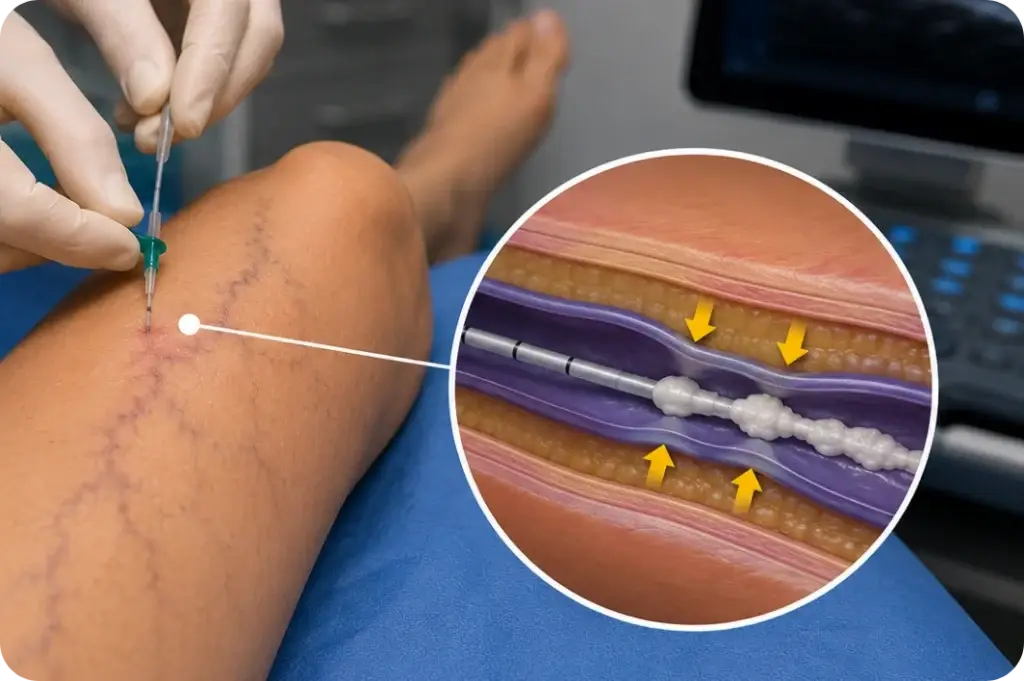
Adhesive Delivery
Small amounts of VenaSeal adhesive are delivered along the vein while gentle pressure helps bond the vein walls together.
04
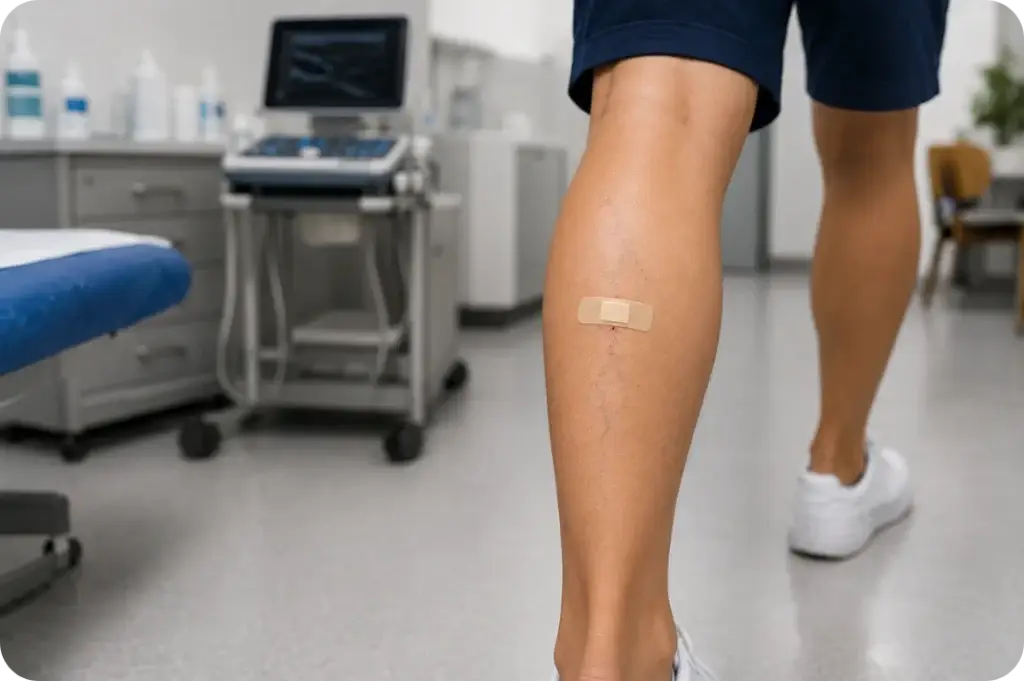
Discharge
The catheter is removed, a small bandage is applied, and most patients return home the same day.
BENEFITS
VenaSeal vs. Other Vein Treatments
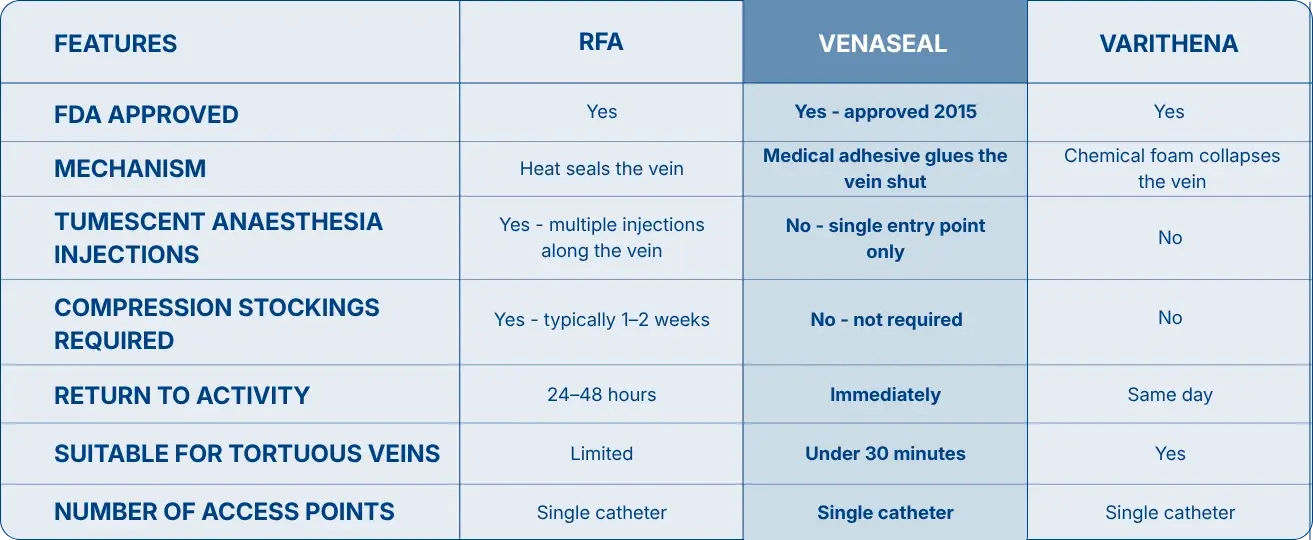
Treatment options
How we treat PAD at HVLC
RECOVERY TIMELINE
What to expect after VenaSeal™. Most patients recover quickly and return to normal activities within days.
Procedure Day
Outpatient procedure.
You go home the same day.
Start Moving
Outpatient procedure.
You go home the same day.
Back To Routine
Outpatient procedure.
You go home the same day.
Improved Circulation
Outpatient procedure.
You go home the same day.
Long-Term Benefits
Outpatient procedure.
You go home the same day.
BENEFITS
Why Patients Choose VenaSeal

Fewer health risks
Minimally invasive with no scars

More cost-effective than surgery

Comfortable and pain-free

Quick recovery

No hospital admission
PATIENT STORIES
See What Recovery Can Look Like
EXCELLENTTrustindex verifies that the original source of the review is Google. I have struggled with severe swelling in one of my legs for years. At one point, it was nearly three times the size of my other leg. After being seen at Heart Vascular and Leg Center, I was prescribed medication, and in just one week, the improvement has been incredible. My leg already looks so much better. The office has also been amazing about getting my testing approved quickly, which has made the whole process much less stressful. I have a follow-up appointment in two weeks, and I can’t wait to thank Gerry personally for the care and attention I have already received. My testing has not even been completed yet, but I have already seen more progress in one week than I did after years of seeking help elsewhere. I am so grateful for the care, professionalism, and efficiency of everyone at this office. I highly recommend Heart Vascular and Leg Center to anyone looking for compassionate providers who truly want to help their patients.,and to top it allll of I was seen same day I reached out,AMAZING OVERALL EXPERIENCEPosted on GoogleTrustindex verifies that the original source of the review is Google. Dr kumar is an amazing doctor who is willing to take the time to call you personally.Posted on GoogleTrustindex verifies that the original source of the review is Google. I need A Emr on the left knee on my knees Cap my !!!??Posted on GoogleTrustindex verifies that the original source of the review is Google. Can't praise this office enough, been going to Dr Kumar for years. I have absolutely no complaint just compliments to Dr Kumar and his stuff. It's been at least 15 years, so many years I can't even remember when I started going there. They are not only very professional but all of them are very kind and caring. I always recommend them to family and friends as well strangers sitting in lobbies. JeannettePosted on GoogleTrustindex verifies that the original source of the review is Google. Great Places! I love the Staff and Doctor! They take good care of you!Posted on GoogleTrustindex verifies that the original source of the review is Google. I have been going to the Heart Vascular & Leg Center for 13 years. Dr Kumar and Elsita Mathew are the best. The staff is wonderful. The entire team is friendly and compassionate.Posted on GoogleTrustindex verifies that the original source of the review is Google. We saw Phoung, PA today. He was thorough and attentive to our questions. The staff at Heart Vascular and Leg Center that we encountered were friendly and professional. We had a positive experience. Thank you.
COMMON QUESTIONS
Frequently asked questions
Why might compression stockings not be required after VenaSeal?
VenaSeal closes the vein using medical adhesive rather than heat or tumescent anesthesia.
Because the vein is mechanically bonded closed, compression stockings may not be required after treatment. However, recommendations vary, and Dr. Kumar will provide instructions based on your procedure and individual needs.
Is VenaSeal the same as Varithena?
No. Both are FDA-approved, catheter-based treatments that close affected veins without thermal energy, but they work differently.
Varithena uses prescription polidocanol microfoam to close the vein. VenaSeal uses a medical-grade cyanoacrylate adhesive to bond the vein walls together.
Dr. Kumar will recommend the most appropriate treatment based on your symptoms and vein anatomy.
Will it hurt? What does VenaSeal feel like?
A small injection of local anesthetic is used to numb the catheter entry point. You may feel a brief sting during this injection.
During treatment, some patients notice mild pressure, pulling, or awareness of the catheter. Significant discomfort is uncommon, but individual experiences may vary.
Does Medicare cover VenaSeal?
Medicare may cover VenaSeal when treatment is considered medically necessary and applicable coverage requirements are met.
Coverage may depend on symptoms, duplex ultrasound findings, previous conservative treatment, and the requirements of your insurance plan. Treatment performed solely for cosmetic reasons is generally not covered.
Our team will verify your benefits and discuss any authorization or out-of-pocket requirements before treatment.
Call 661-324-4100 to speak with our team about your coverage.
Is the adhesive safe for long-term use?
VenaSeal uses a medical-grade cyanoacrylate adhesive designed for closing affected veins.
Clinical studies have reported high vein-closure rates, but potential risks include inflammation, tenderness, allergic or hypersensitivity reactions, and blood clots. These complications are uncommon, but your doctor will review the potential benefits and risks before treatment.
Tell our team if you have previously experienced an allergic reaction to medical adhesives or cyanoacrylate products.
Health Resources
Expert vascular health tips

Knee Pain & GAE
Knee Pain at Night: Why It Gets Worse When You Stop Moving | HVLC Bakersfield
Knee Pain at Night: Why It Gets Worse When You Stop Moving and What It Could Mean Most people expect joint pain to get worse during activity. Push it too hard, feel it afterward. That logic makes sense. So when knee pain is worst at night, when you are lying still, not putting any weight on it, not doing anything at all, it catches people off guard. Some assume they slept in a bad position. Others take a painkiller and try to push through. What fewer people know is that nighttime knee pain has a specific meaning. It is not random. It is telling you something about what is driving the pain, and it points directly toward a mechanism that standard treatments often miss.

Heart & Vascular Health, PAD & Circulation
What Happens to Your Legs When You Sit All Day | HVLC Bakersfield
What Happens to Your Legs When You Sit All Day. And Why It Matters More Than You Think sitting all day effects on leg circulation poor circulation vascular health Bakersfield Most people know that sitting too much is not great for them. They have heard it enough times. But the conversation usually stays vague, centered around back pain, posture, or burning calories. What gets far less attention is what prolonged sitting does specifically to the blood flow in your legs. And for a significant number of people, particularly those with diabetes, high blood pressure, or a family history of heart disease, the effects are not just discomfort. They are the early stages of a real vascular problem.
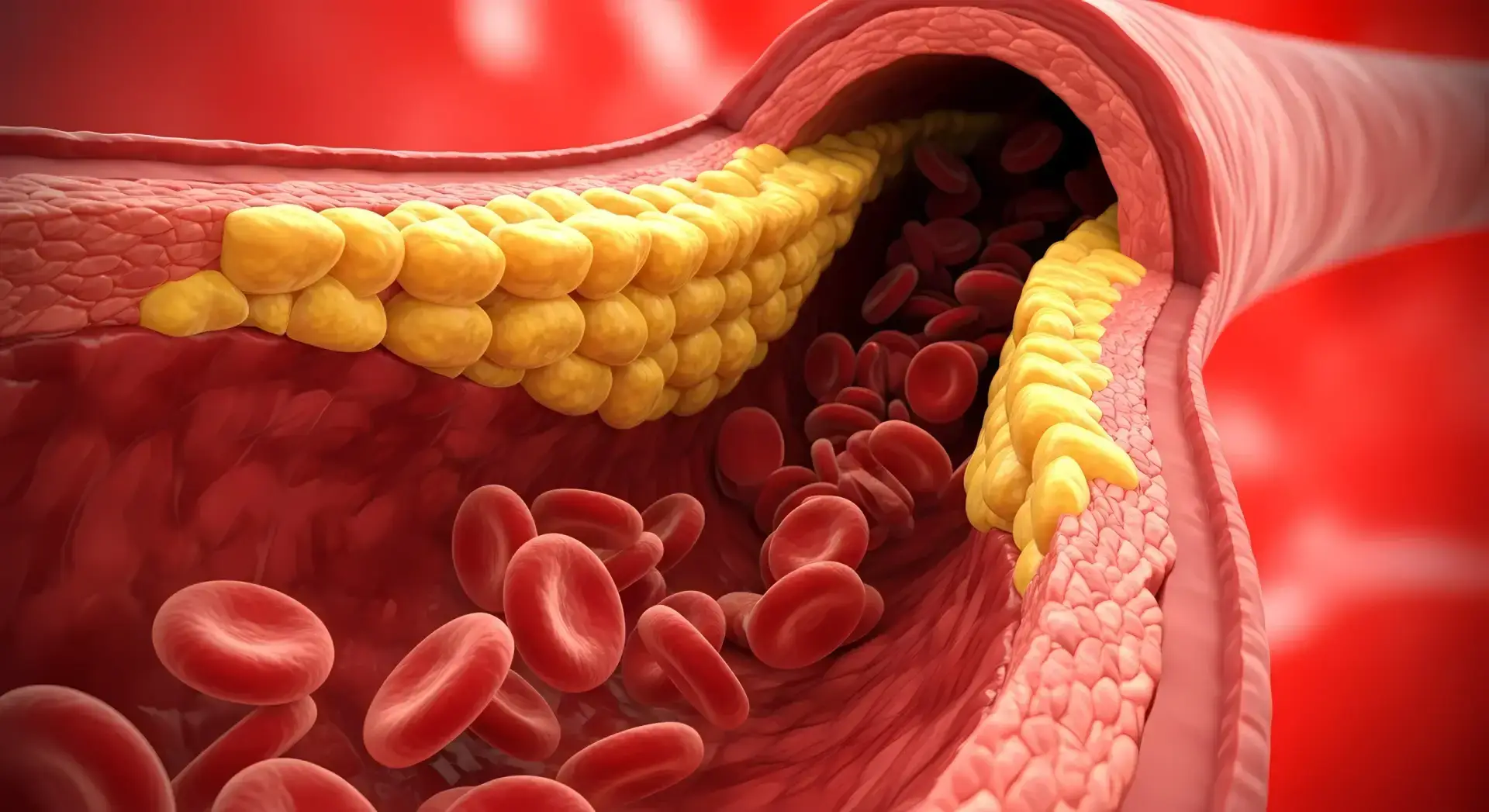
PAD & Circulation
Your Heart Gets a Lot of Attention. Your Leg Arteries Deserve the Same | HVLC Bakersfield
Your Heart Gets a Lot of Attention. Your Leg Arteries Deserve the Same
chronic knee pain management vs treatment what actually helps HVLC Bakersfield
Every February, American Heart Month reminds people to take care of their arteries, watch their cholesterol, check their blood pressure, and protect their cardiovascular health.
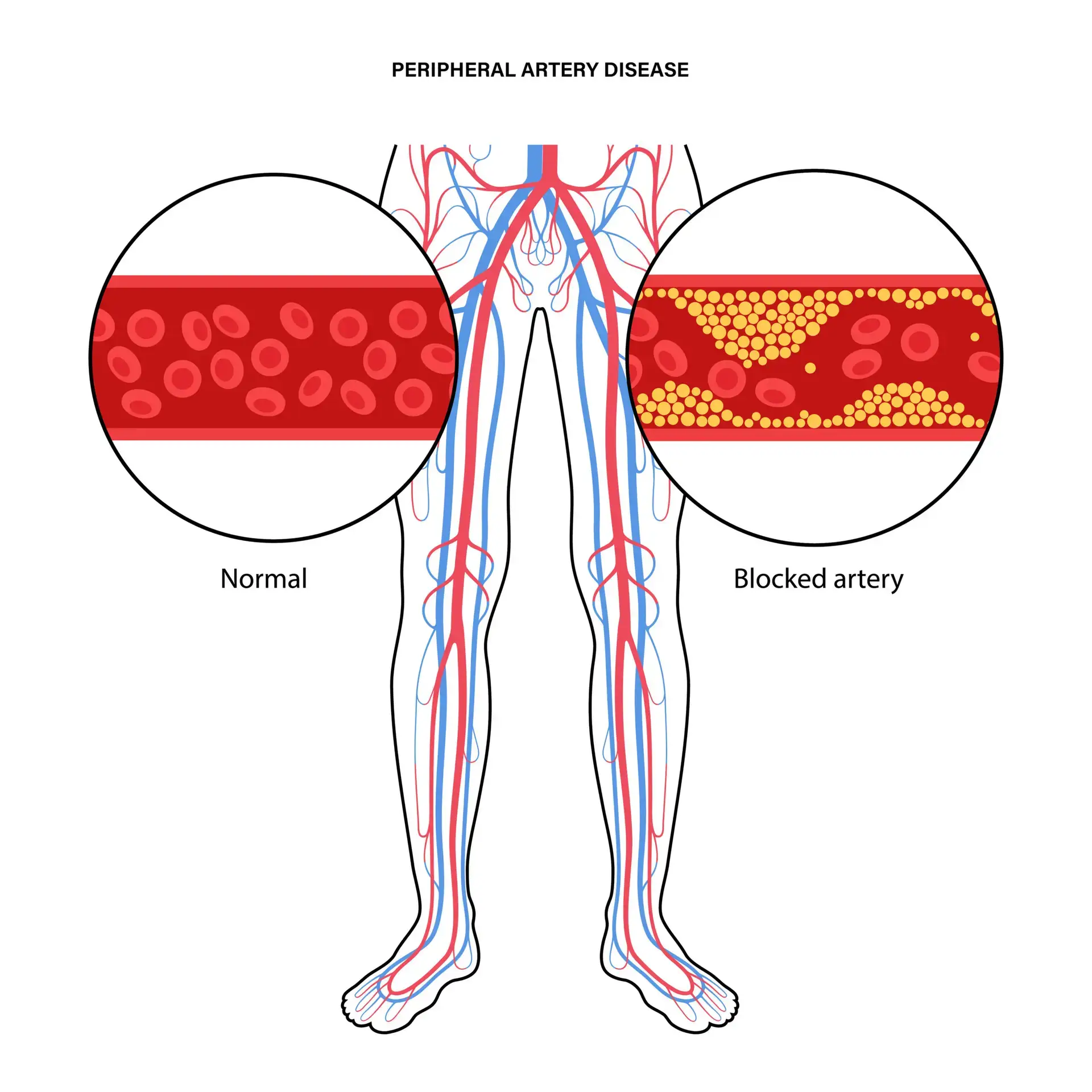
Vein Disease & DVT
Diabetes, Veins, and Circulation: Why Leg Health Is a Heart Issue
Deep vein thrombosis (DVT) is a circulatory system problem that occurs in the deep veins of your legs. Anyone who’s developed any stage of vein disease is at risk for developing this potentially life-threatening condition, but knowing your risks will help you get medical treatment at the first sign of trouble.
Knee Pain & GAE
Arthritis Is Not Just About Your Joints. Here Is Why Your Blood Vessels Matter Too
Arthritis Is Not Just About Your Joints. Here Is Why Your Blood Vessels Matter Too And most of the conversation this month follows the same familiar path: cartilage breakdown, joint wear, inflammation, medication, physiotherapy, and eventually surgery.
PAD & Circulation
PAD 101: Start the New Year With a Circulation Screening
Deep vein thrombosis (DVT) is a circulatory system problem that occurs in the deep veins of your legs. Anyone who’s developed any stage of vein disease is at risk for developing this potentially life-threatening condition, but knowing your risks will help you get medical treatment at the first sign of trouble.
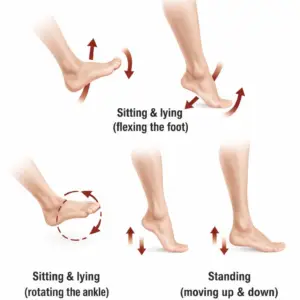
PAD & Circulation
Simple Stretches That Boost Blood Flow in Minutes
If your days involve long hours of sitting at a desk or standing on your feet, your legs may be working overtime to keep blood moving. The good news? You don’t need a gym session—or much time—to support healthy circulation. A few simple stretches, like calf raises and ankle circles, can make a noticeable difference in just minutes.
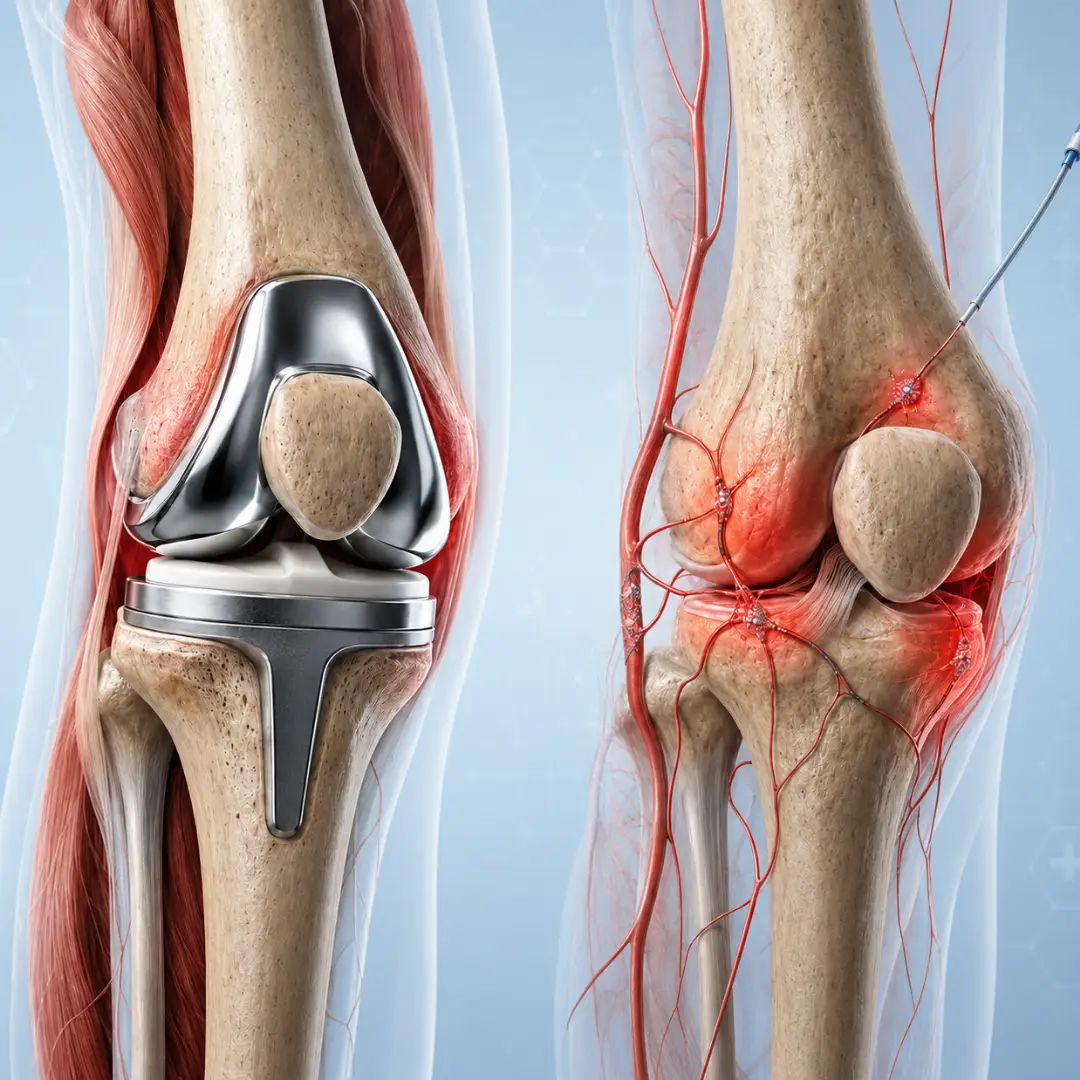
Knee Pain & GAE
GAE vs. Knee Replacement: Understanding Where Genicular Artery Embolization Fits
GAE vs. Knee Replacement: Understanding Where Genicular Artery Embolization Fits
Not Every Patient With Knee Arthritis Is Ready for Surgery Knee osteoarthritis can progress slowly over years. Some patients manage symptoms with exercise, medication, injections, weight loss, bracing, or physical therapy. Others eventually reach a point where knee replacement becomes the best option.
Visit us or book online
Ready to take the first step?
Office hours
Mon - Thu
8am - 6pm
Fri
8am - 5pm
Sat - Sun
Closed
Insurance
Medicare
- Accepted
Medicare
- Accepted
Most PPOs
- Accepted
Call us directly: 661-324-4100
Same-day appointments often available
5020 Commerce Dr
5020 Commerce Dr, Bakersfield, CA 93309